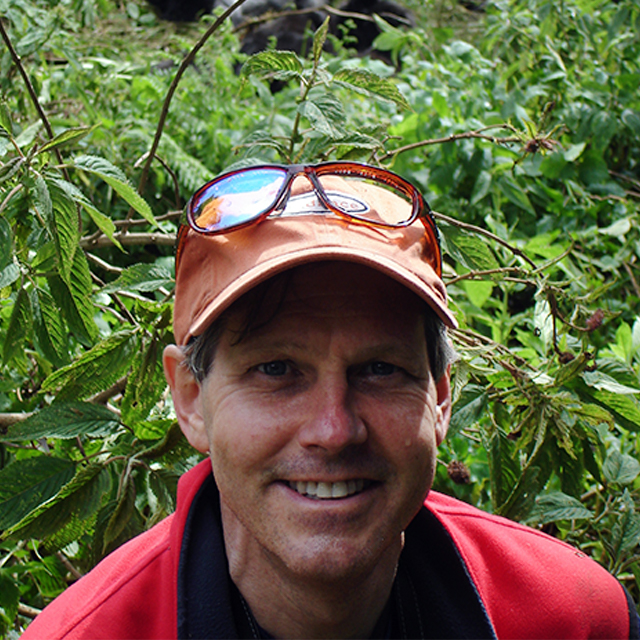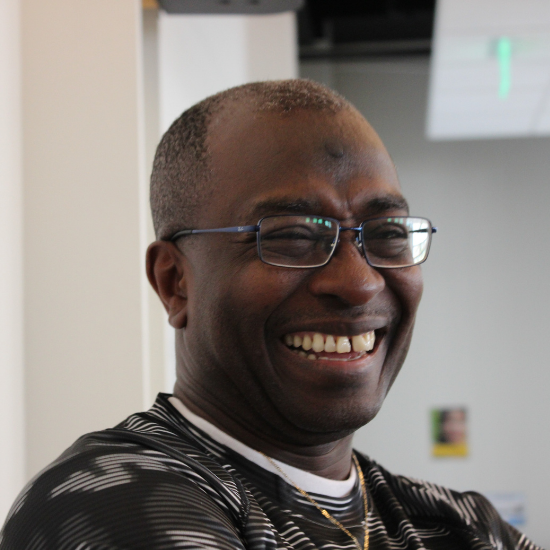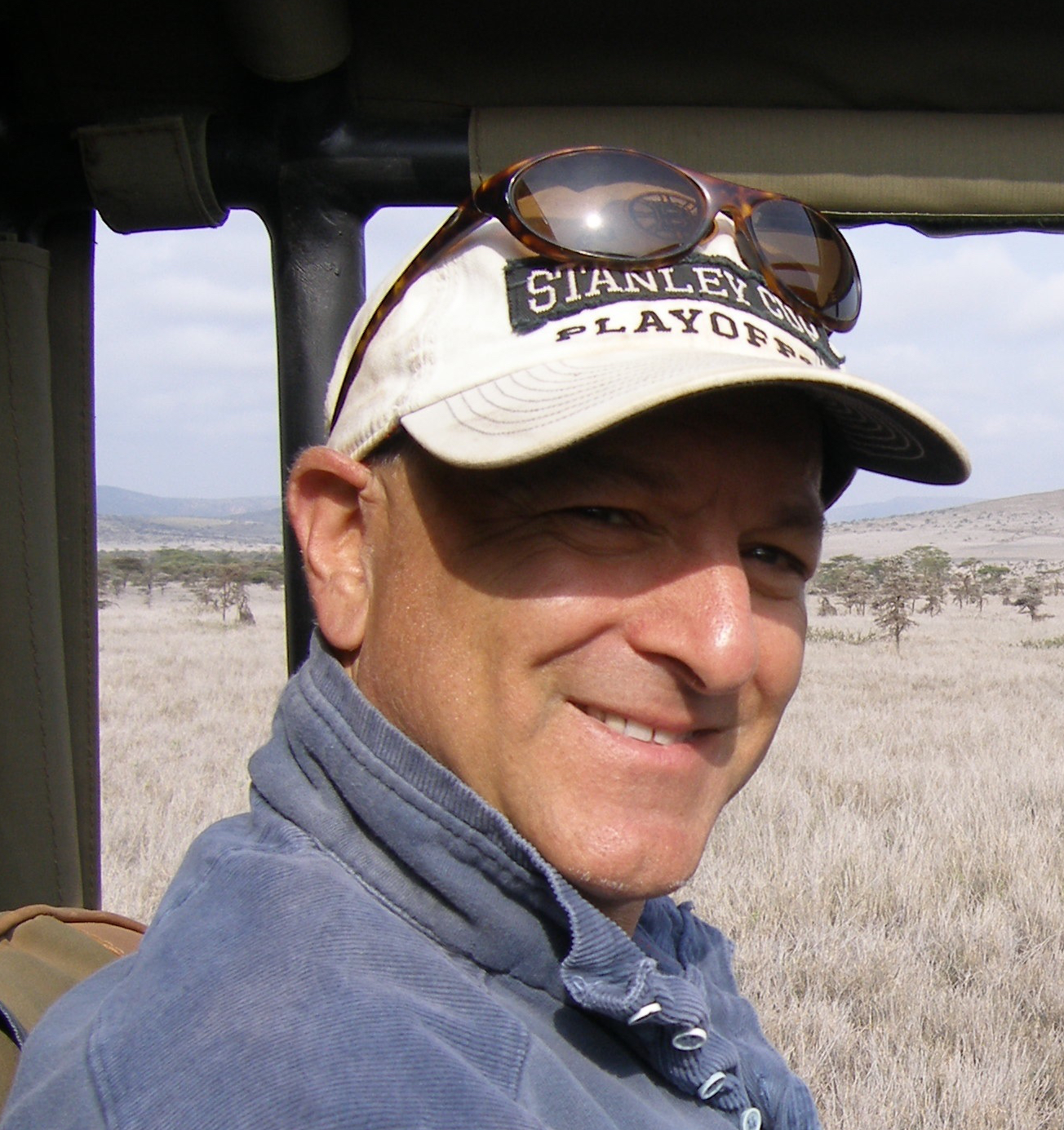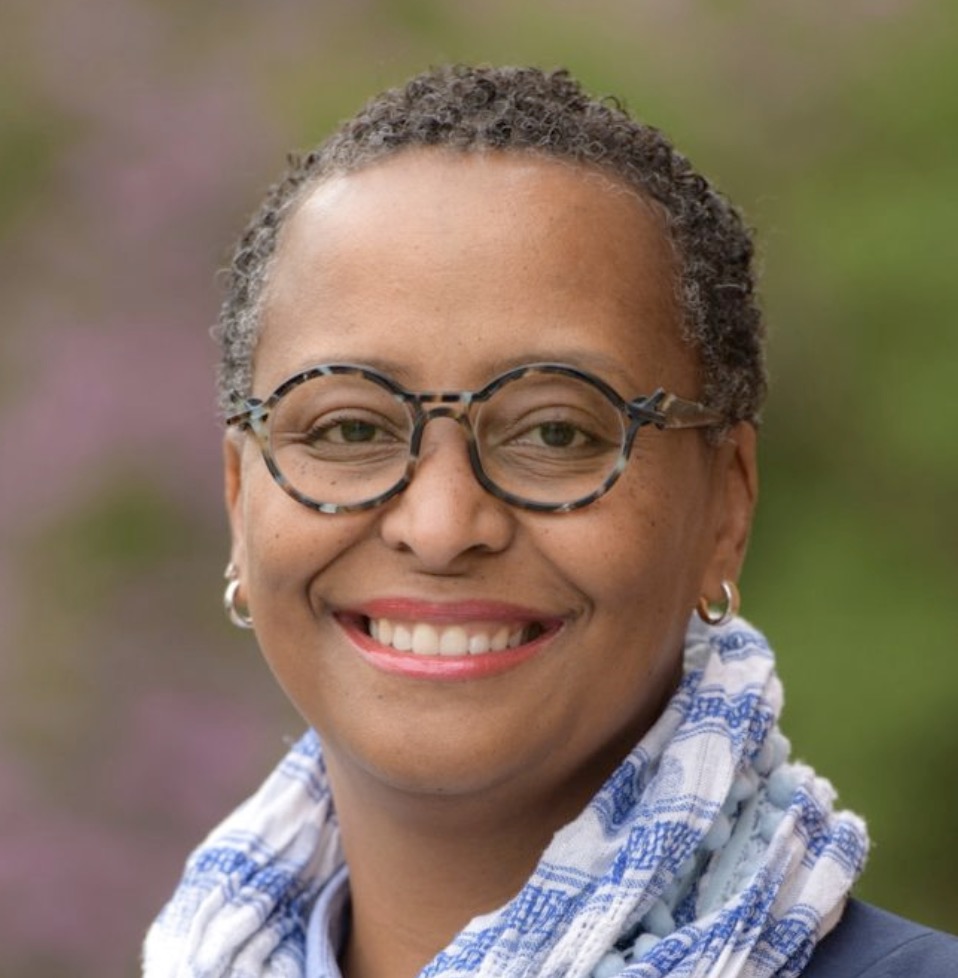
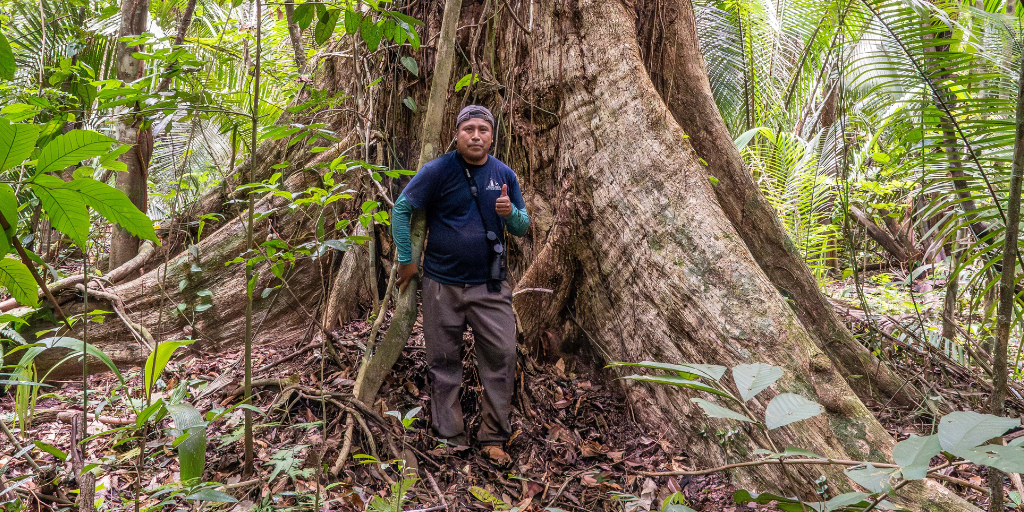
What does it look like when conservation leadership grows locally—and lasts?
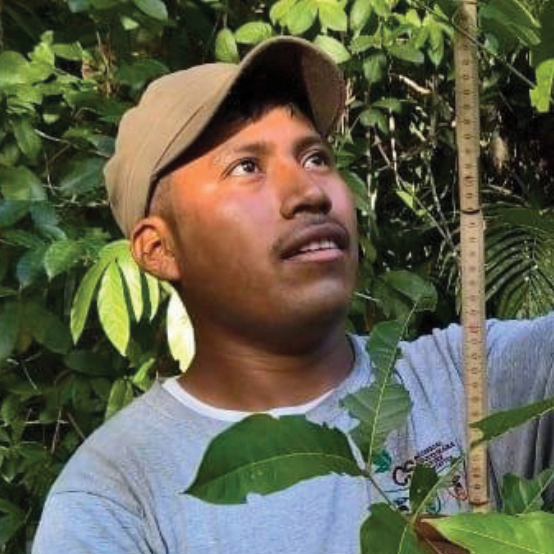
In Belize, Louis Peña documents new plant records, strengthens botanical infrastructure, and mentors the next generation of local botanists. Through Wild Earth Allies’ Trees of Belize project, his role has expanded from Conservation Fellow to Botanical Research & Conservation Ecologist.
In this conversation from our Voices from the Field series, Louis reflects on what it takes to build conservation that endures—rooted in place and led by local expertise.
From Conservation Fellow to Expanding Leadership
You’ve been involved with the Trees of Belize project since 2021, and your role in the project has evolved over time. How would you describe your work on Trees of Belize today, and how has that work changed in recent years?
Today, I serve as the project’s Botanical Research & Conservation Ecologist. In this role, I support data processing for the digital application, design and deliver botany trainings, and conduct field surveys for consultancy projects and understudied areas of Belize. I also conduct fieldwork alongside the project’s lead botanist, Dr. Steven Brewer, represent Wild Earth Allies and Belize at regional botanical events, help advise local organizations on forest management decisions, and mentor the next generation of Belizean botanists.
When I first joined the Trees of Belize project, my role focused mainly on supporting fieldwork while being mentored by Steven, along with assisting with data entry and processing plant photographs. Over time, that mentorship allowed my responsibilities to grow significantly. Great mentors make great students, and Steven has been instrumental in my professional development and in shaping the botanist I am today.

Louis Peña works with Rogel Gamboa, a Wild Earth Allies Conservation Fellow in Belize, to identify an unknown tree species. (Photo courtesy of Louis Peña)
Turning Fieldwork into Lasting Conservation Foundations
Beyond field research, your work increasingly spans regional collaboration and botanical infrastructure — from participation in the Flora of the Yucatán Peninsula Working Group to supporting the restoration of Belize’s National Herbarium. How do these efforts strengthen botanical knowledge and conservation in Belize, and what has felt most meaningful about this work so far?
These regional and institutional efforts are essential for strengthening the foundation of botanical knowledge in Belize. Participation in the Flora of the Yucatán Peninsula Working Group helps ensure that Belizean plant records are regionally comparable and integrated into a broader biogeographic context. That kind of collaboration improves species verification, highlights distribution gaps, and allows Belize’s flora to be understood as part of a shared regional system rather than in isolation.
At the national level, supporting the restoration of Belize’s National Herbarium means contributing with my field collections, safeguarding past and future researchers’ valuable contributions and making botanical knowledge accessible for research, education, and conservation. Herbaria underpin everything from species confirmations to environmental impact assessments, and strengthening this infrastructure directly improves the quality of conservation decisions.
What has felt most meaningful is helping bridge field-based discoveries with long-term systems that ensure those data endure, through regional collaboration, national collections, or local capacity-building. Knowing that this work contributes not just to immediate research outcomes but to a lasting botanical foundation for Belize has been especially rewarding.

Members of the Belize National Herbarium Working Group help to mount herbarium specimens. (Photo: Ella Baron)
A growing part of your efforts involves training and mentoring other Belizeans interested in botany. Why does this aspect of the work matter to you, and can you share a mentoring experience that stands out?
Training and mentoring other Belizeans matter to me because long-term conservation depends on local knowledge and leadership. I am a strong believer that conservation is a collective mission and that together we can make greater impacts. Building botanical capacity ensures the work continues beyond any single project and strengthens Belize’s ability to contribute to research, management, and decision-making over time.
Every training and mentoring experience has been rewarding. I’ve enjoyed sharing my knowledge with tour guides, conservation rangers, Forest Department staff, and plant enthusiasts. One experience that really stands out was a recent trip to Sarteneja village in northern Belize. My mentee, Rogel Gamboa, a Wild Earth Allies Conservation Fellow, and I documented two new plant records for Belize. It was especially exciting to see him paying close attention to diagnostic characters and carefully taking field notes. That moment made it clear that we share the same passion for plants. Having someone to work alongside in the field who is equally driven and committed makes the work even more meaningful!
I am a strong believer that conservation is a collective mission and that together we can make greater impacts.

Louis Peña works with Rogel Gamboa, a Wild Earth Allies Conservation Fellow in Belize, to document a new plant record. (Photo courtesy of Louis Peña)
One of my role models once said, “We cannot protect what we don’t know.” New plant records are important because you can’t effectively conserve what hasn’t been documented. Scientifically, these records improve our understanding of Belize’s plant diversity, species distributions, and biogeographic connections within the region. They also help refine identifications, update floras, and establish baselines for future research and monitoring.
On the ground, new records directly inform conservation and management decisions. Knowing that a species is present can influence land-use planning, protected area management, and restoration efforts—especially if the species is rare, range-restricted, or habitat-specific. For me, documenting these plants is about turning field observations into knowledge that supports real conservation action in Belize.
Documenting these plants is about turning field observations into knowledge that supports real conservation action in Belize.

Louis Peña has documented multiple new plant records for Belize, including Mimosa camporum, Scutellaria gaumeri, Capparis incana, and Zanthoxylum schreberi. (Photos: Louis Peña)
What it Takes to Protect Belize’s Forests—Long Term
Belize is home to some of the largest intact rainforests north of the Amazon. From your perspective, what are the most significant challenges facing their protection today?
One of the most significant challenges facing Belize’s rainforests today is growing pressure from land-use change, including agricultural expansion, infrastructure development, and unsustainable extraction. Even in relatively intact forests, fragmentation and edge effects are increasing and can quietly undermine ecosystem health over time.
Another major challenge is the lack of consistent ecological data to guide management decisions. Without strong baselines, it becomes difficult to detect change, prioritize areas for protection, or respond effectively to ongoing pressures such as climate change and deforestation.
Protecting these forests will require not only strong policies but also continued investment in research, monitoring, and local capacity-building. Conservation decisions must be informed by solid science and led by people who understand these challenges best.
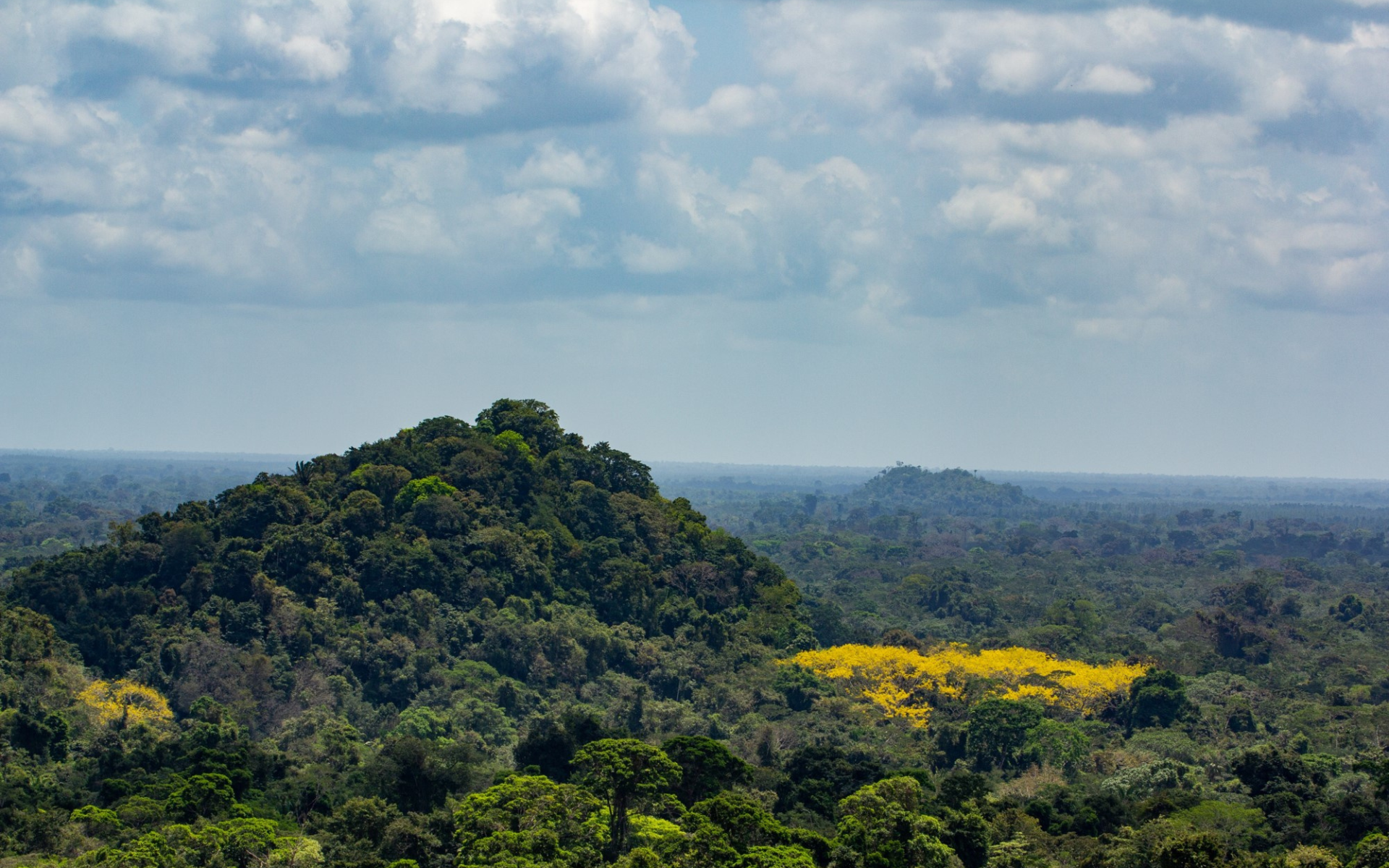
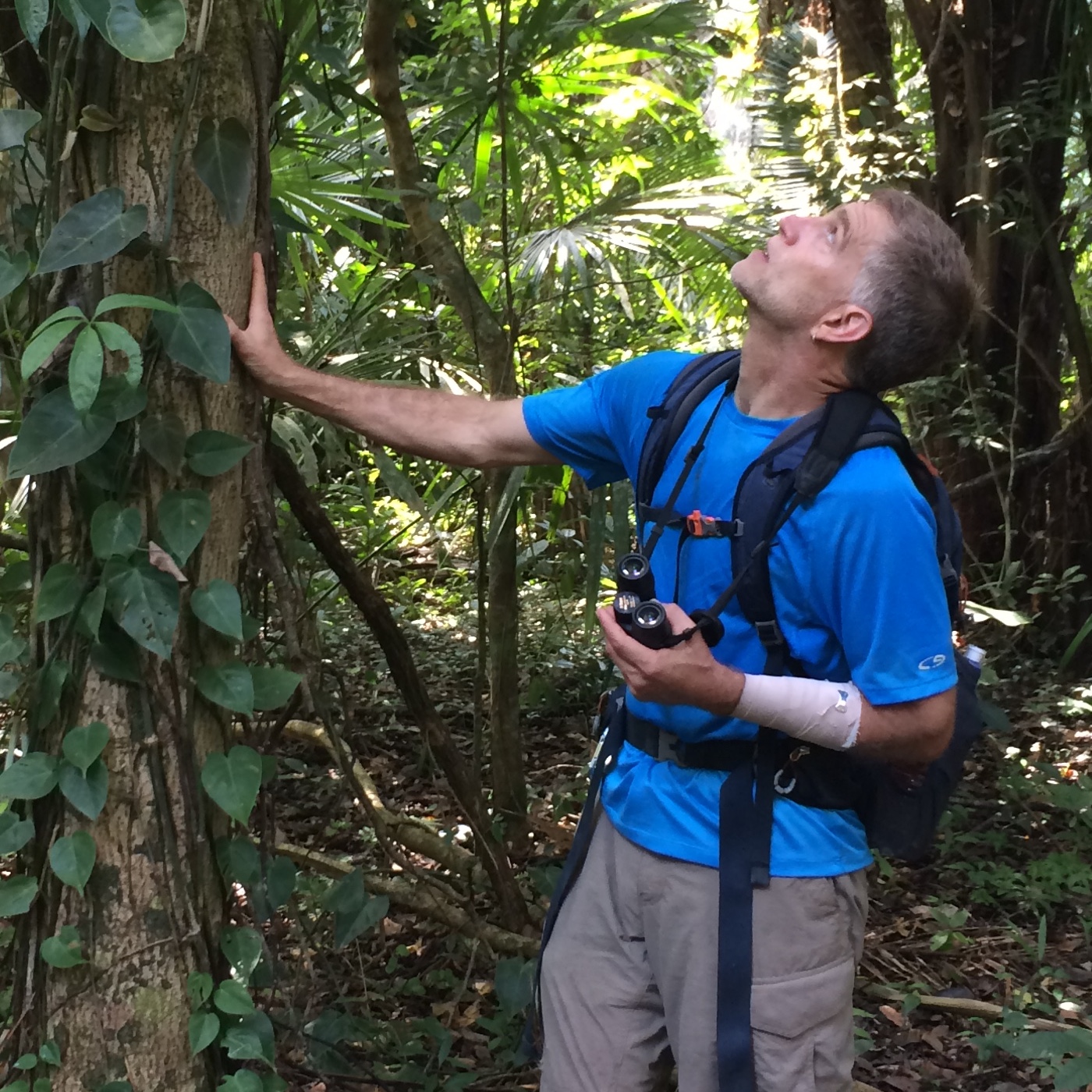
Belize is home to some of the largest intact rainforests north of the Amazon. (Photo: Steven Brewer)
Despite these challenges, I see strong opportunities for progress in Belize through collaboration and shared stewardship. One of the biggest opportunities is using solid ecological data to guide decision-making. When researchers work closely with government institutions, communities, and managers, science becomes a practical tool rather than something that stays on paper.
Organizations like Wild Earth Allies play an important role by supporting long-term monitoring and local capacity, developing conservation tools, and creating spaces where researchers, communities, and decision-makers can work together. When local knowledge is combined with scientific data, conservation strategies are more effective and more durable. Real progress happens when conservation is locally driven, informed by good science, and supported by strong partnerships.
When local knowledge is combined with scientific data, conservation strategies are more effective and more durable.

Participants in an Introduction to Botany training led by Louis Peña celebrate completion of the course. (Photo: Louis Peña)
I would like to give a shout-out to the Herbarium Working Group for the incredible work they’ve been doing. Their efforts are not going unnoticed, and I want to thank the leaders and every volunteer who has contributed in one way or another. Strengthening Belize’s botanical infrastructure is a long-term effort, and it’s inspiring to see so many people committed to making it happen.
As for my own journey, I hope it can serve as an example that dreams can come true with dedication, hard work, and passion. Let your work speak for itself, and always remain humble and willing to learn. Botany is an integral part of understanding how to protect our biodiversity, and this mission will only be possible through joint efforts. Together, we can protect our gem, Belize, and safeguard our livelihoods through informed management and conservation decisions.

Louis Peña participates in Mexico’s National Congress of Botany. (Photo courtesy of Louis Peña)
Additional reading: Voices from the Field: Louis Peña, Biologist, Belize (2021)