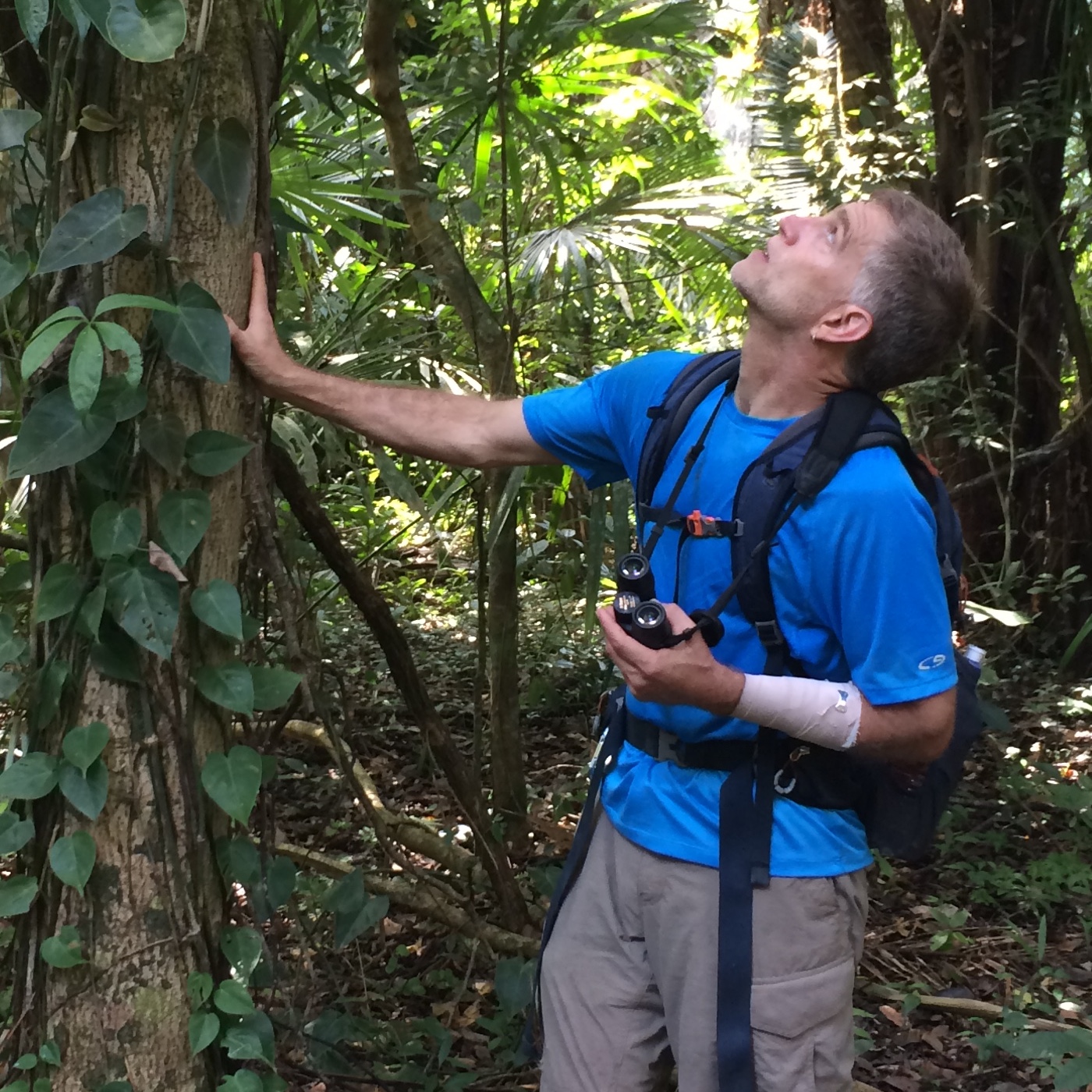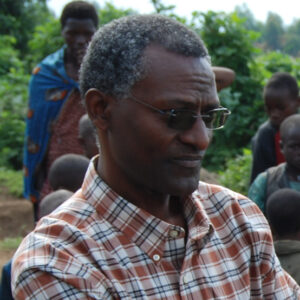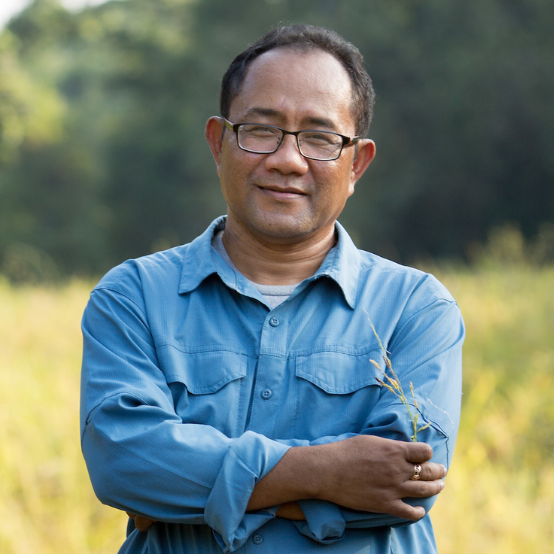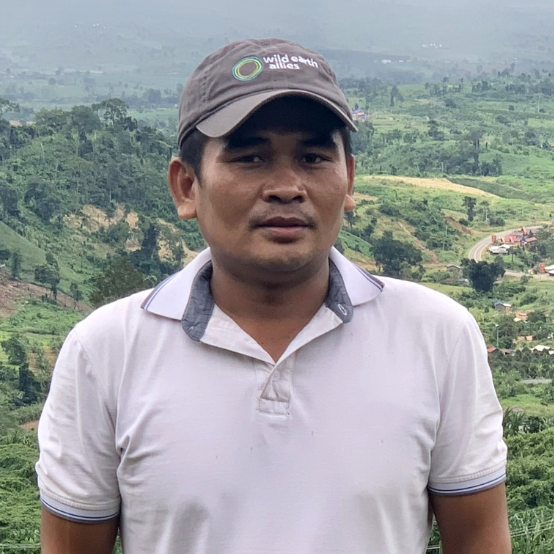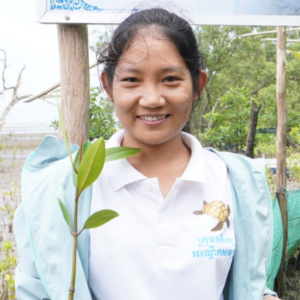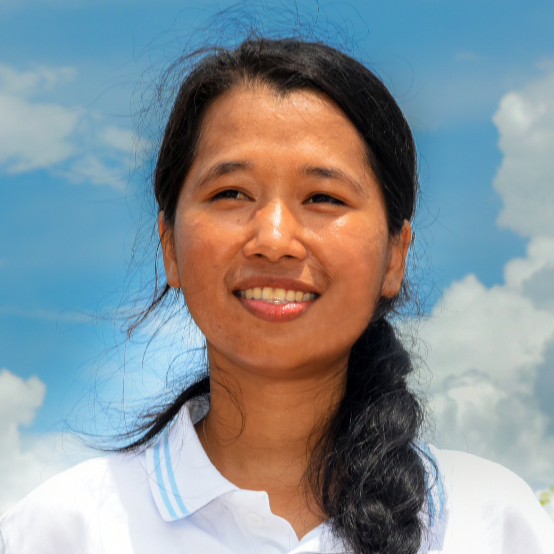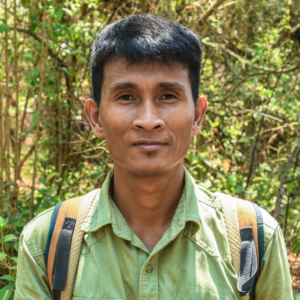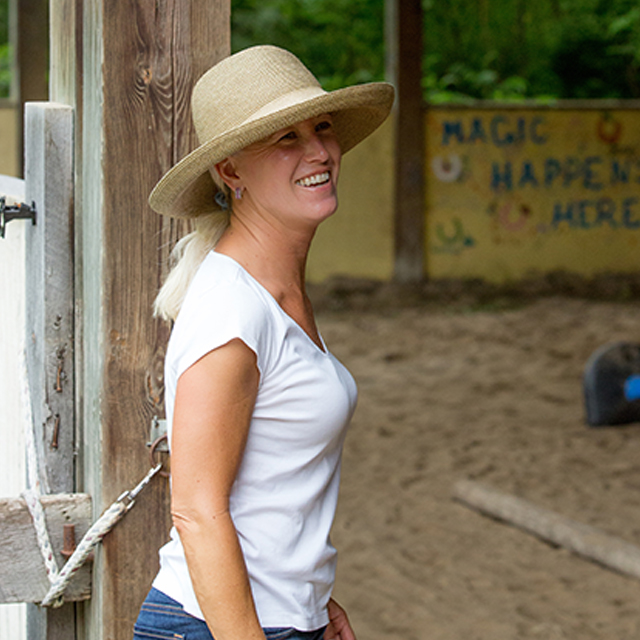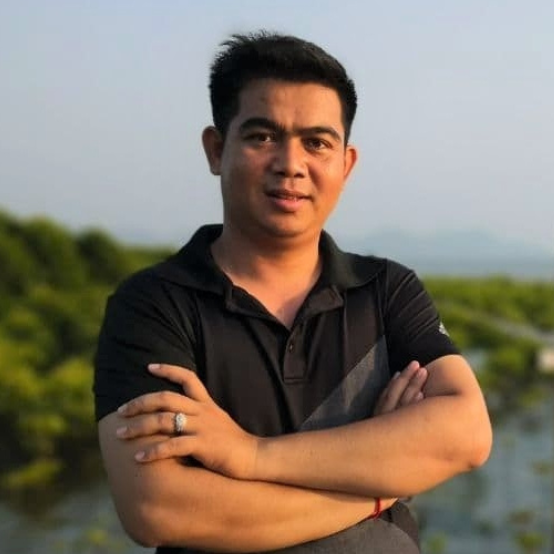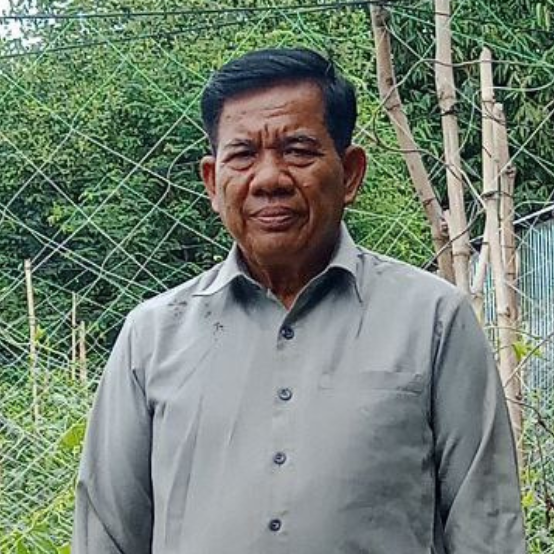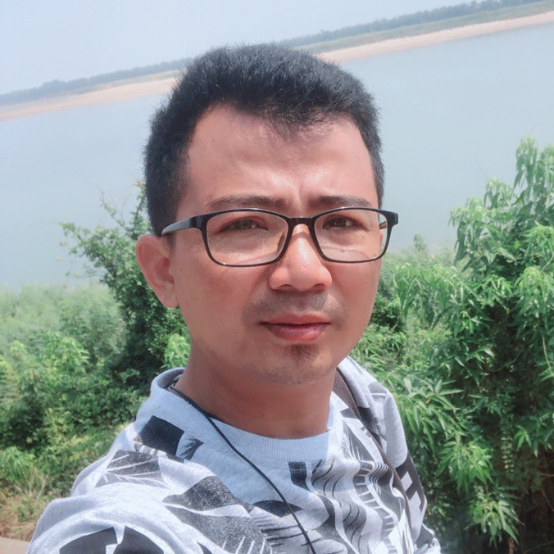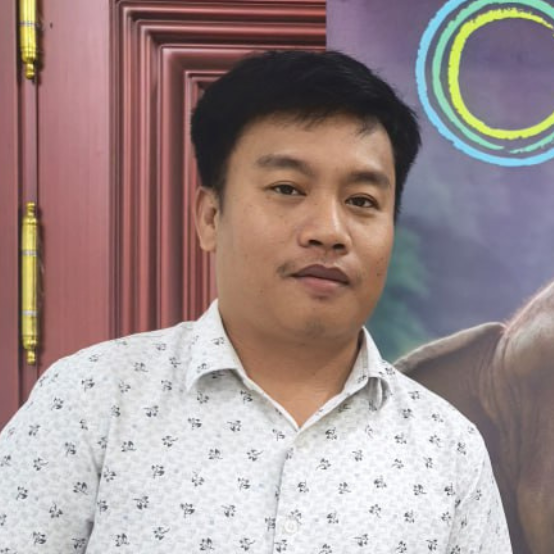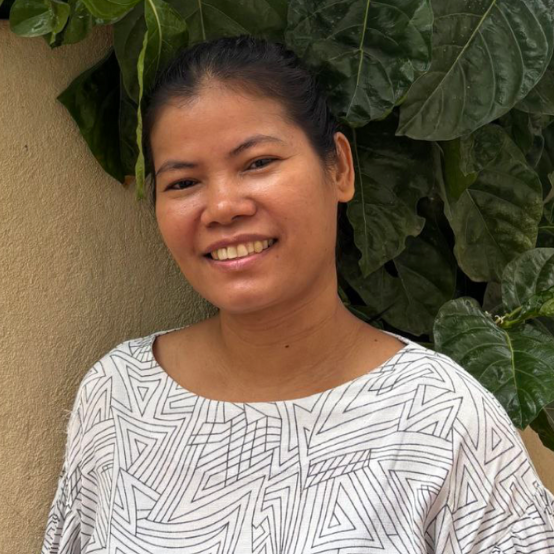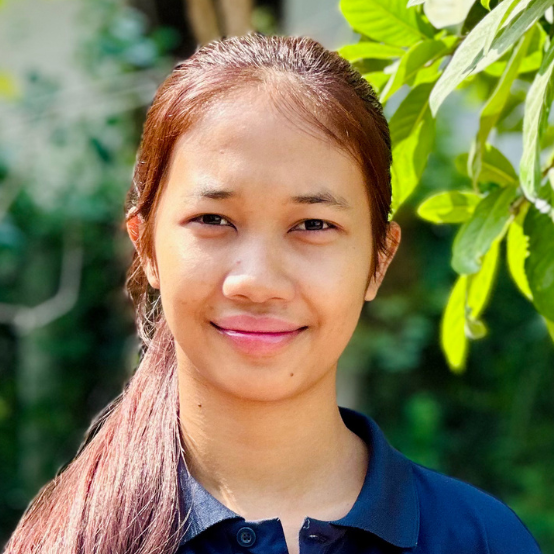
In Cameroon’s Dja Biosphere Reserve, communities are creating new livelihood pathways that benefit people and wildlife. Wild Earth Allies is teaming up with the African Conservation and Development Foundation (ACDEF) and 13 communities, including one Indigenous Ba’Aka community, to create Community Conservation and Management Areas (CCMAs). Covering 75,700 acres within the Reserve’s 1.3 million acres of rainforest, the CCMAs help protect habitat for at-risk wildlife like African forest elephants, western lowland gorillas, and central chimpanzees.
Dja Biosphere Reserve: A Wealth of Natural Resources
Located in southeastern Cameroon, the Dja Biosphere Reserve is one of Central Africa’s most species-rich ecosystems and among the largest remaining rainforests in Africa. Despite its status as a UNESCO World Heritage Site, the Reserve faces mounting conservation pressures such as forest conversion, illegal logging, and poaching for the illegal wildlife trade. It has lost an estimated 10% of its forest cover since its creation in 1950, and key wildlife species are in decline.
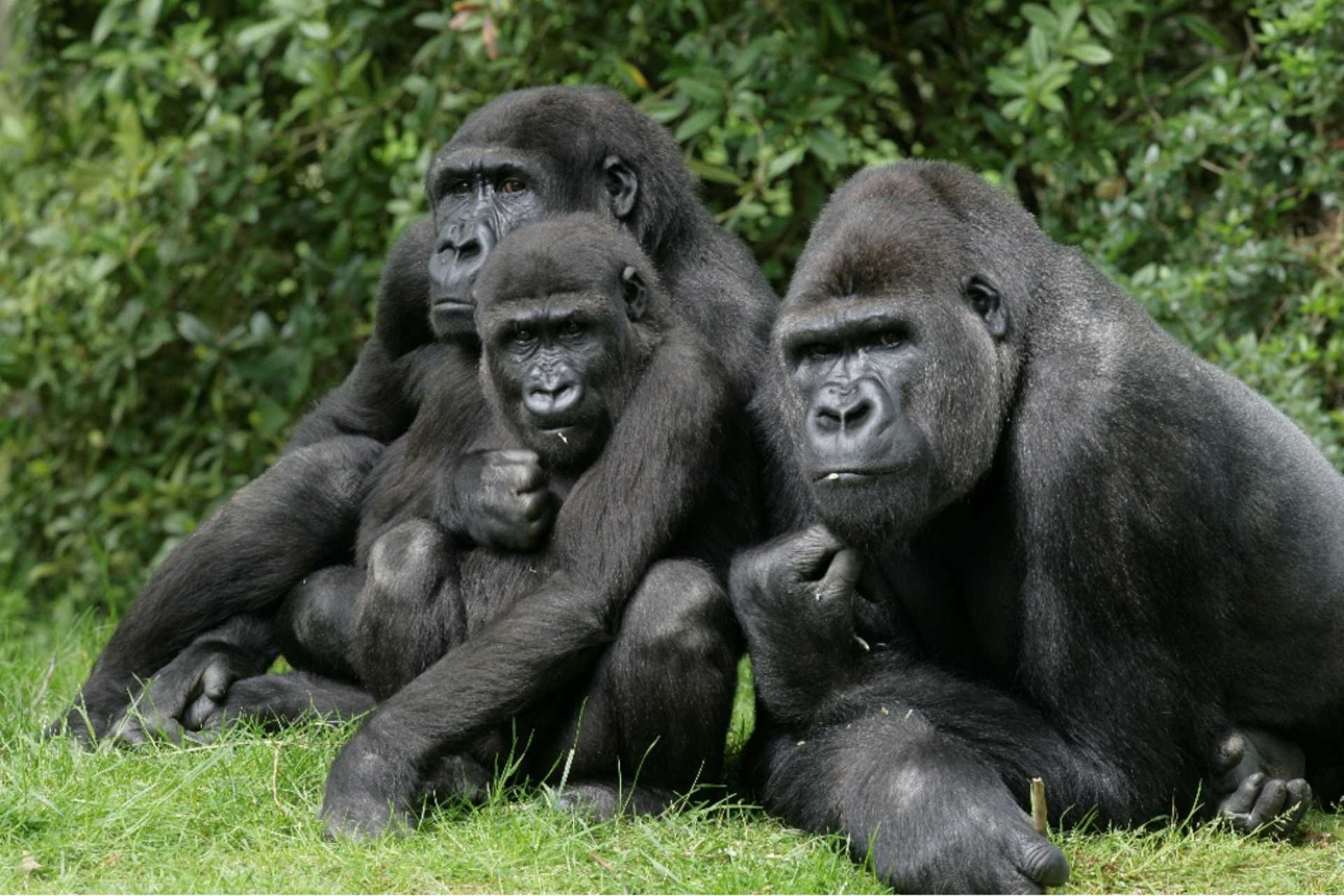
Critically endangered western lowland gorillas live in the Dja Biosphere Reserve. (Photo courtesy of ACDEF)
Community Conservation Management Areas (CCMAs): An Enduring Solution
Communities living in and around the Dja Biosphere Reserve depend on its natural resources for their livelihoods. Through CCMAs—a grassroots model that links biodiversity protection with local development—5,750 people will sustainably manage their lands to strengthen prosperity and resilience through nature-friendly enterprises, such as beekeeping, climate-smart agriculture, animal husbandry, fish farming, and eco-tourism.
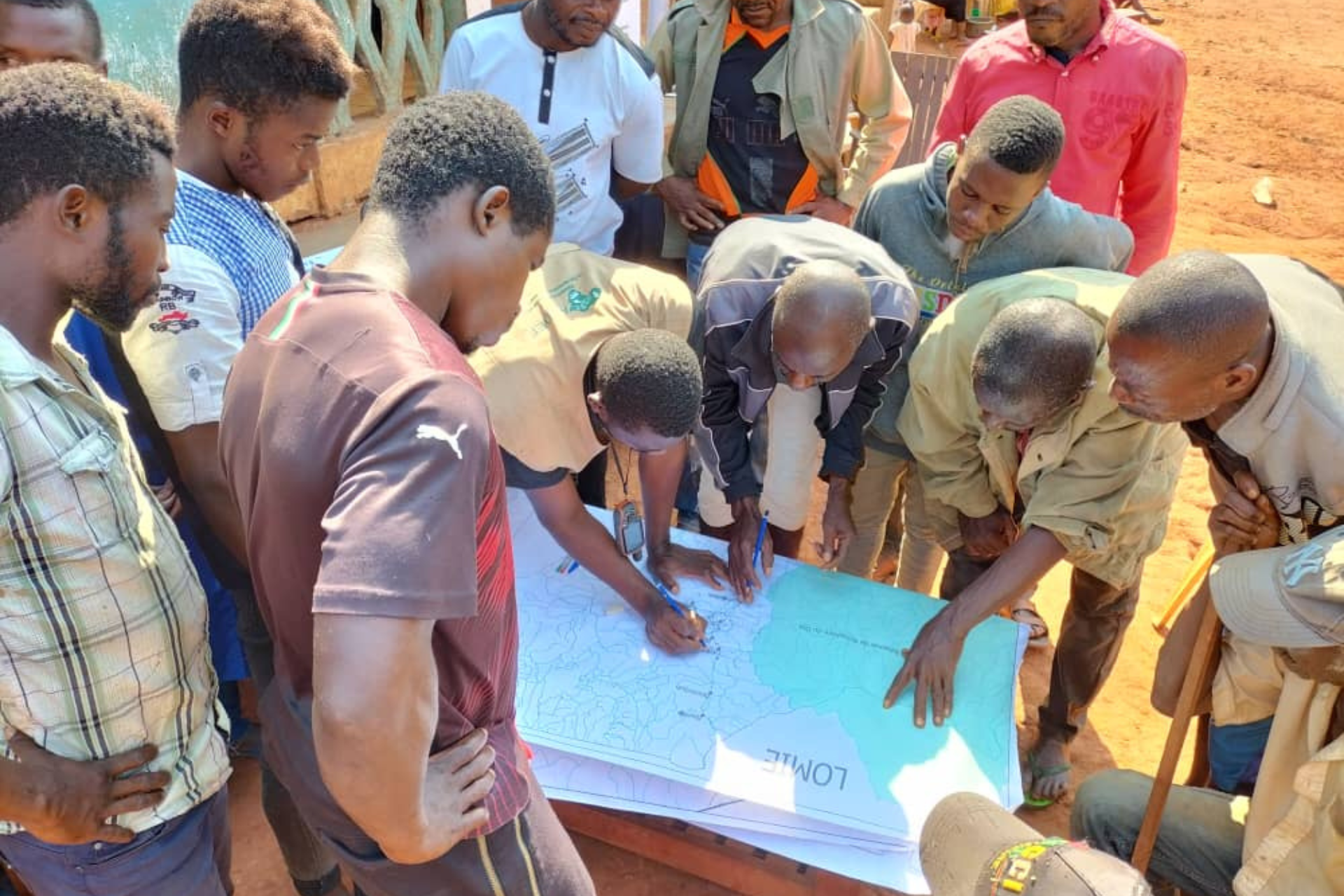
Members of a CCMA in the Dja Biosphere Reserve take part in mapping their community. (Photo courtesy of ACDEF)
Community Resilience on the Rise in the Dja Biosphere Reserve
Since the collaboration began in 2023, community members have taken major strides to design, register, and implement their CCMAs, including:

Participatory Mapping
Community members in the CCMAs mapped land use to inform zoning for sustainable enterprises, infrastructure improvements, and biodiversity conservation.
Eco-Enterprise Pilots
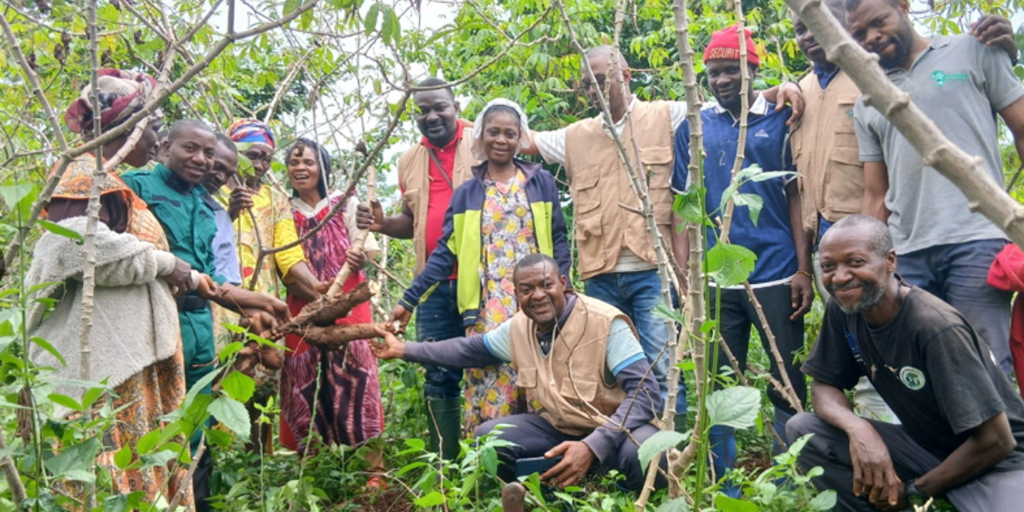
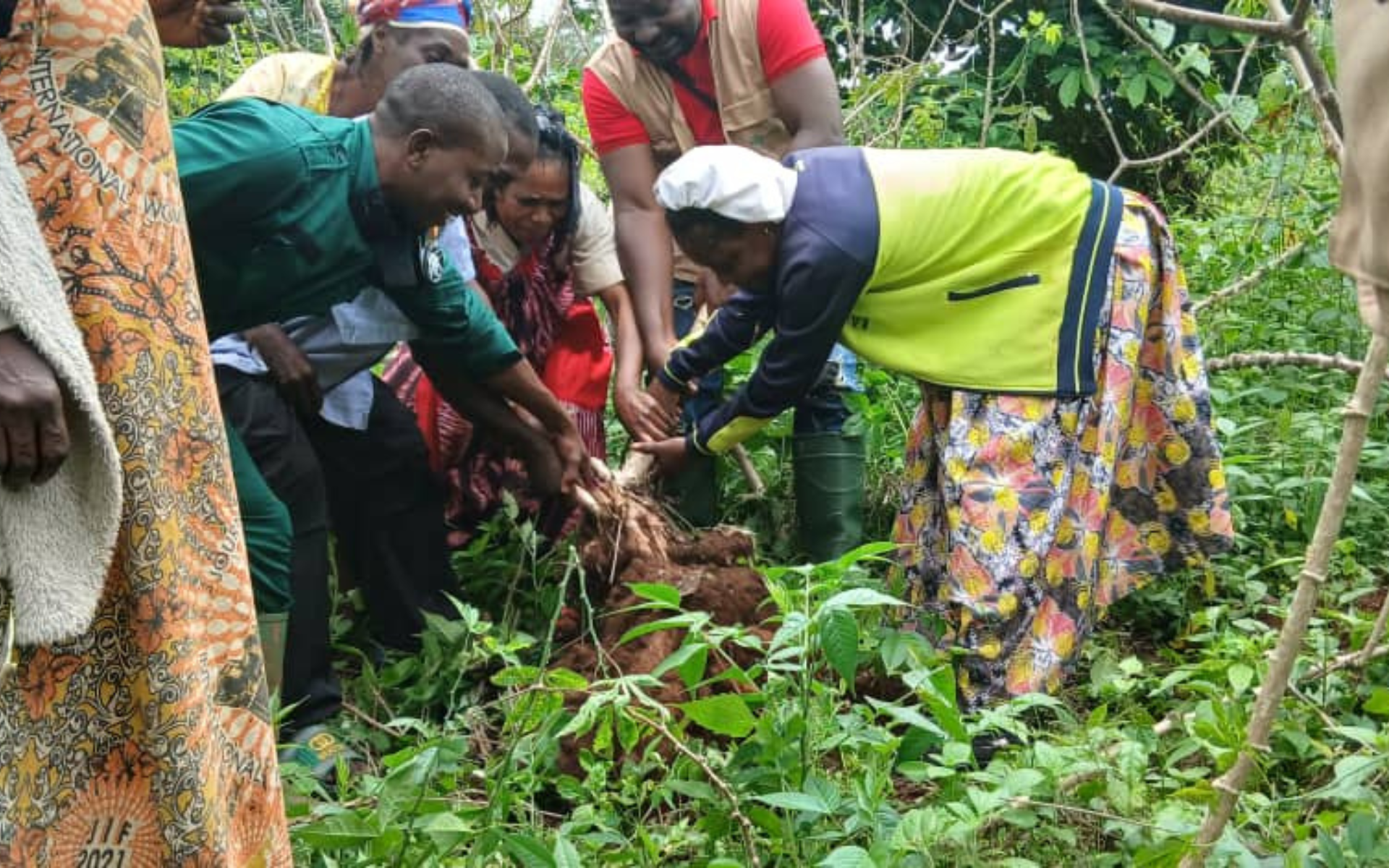
Three CCMAs are piloting climate-smart farming of cassava and plantain. The remaining CCMAs are preparing to launch similar eco-enterprises. These efforts will boost household income and generate revenue for infrastructure improvements and conservation.

Community Governance
Each CCMA established rules and guiding principles to define their vision for community-based governance. They also elected leaders and submitted registration paperwork to the Cameroon government for approval.

Community Patrols
Five to six members of each CCMA will take part in joint patrol teams with Dja Biosphere Reserve eco-guards. The community members are now completing training in wildlife monitoring techniques and will contribute their knowledge of this landscape to improve the protection of wildlife and forests.
Toward a Sustainable Future
Progress to date shows the strength of the CCMA model in linking conservation with community well-being. With local ownership, active participation from women and youth, and strong organizational foundations, the stage is set for long-term success.
The next steps will focus on management planning, launching new community enterprises, and building CCMA capacity to ensure lasting impact. Communities in the Dja Biosphere Reserve are charting a sustainable course for biodiversity conservation, improved livelihoods, and ecosystem resilience in the region.
Read more about our partnership in the Dja Biosphere Reserve.
This project benefits from the support of the Forest and Communities Initiative.

Critically endangered African forest elephants live in the Dja Biosphere Reserve.