Photo: Delaware Wild Lands
Lasting conservation starts with deep collaboration. Wild Earth Allies’ partnership with Delaware Wild Lands began five years ago in the Great Cypress Swamp. Together, we’re bringing back native trees like bald cypress and Atlantic white cedar across this 10,800-acre forested wetland.
We’re now expanding our successful collaboration to Milford Neck Preserve, a critical part of Delaware’s coastal habitats. Wild Earth Allies brings deep botanical expertise to this work. With this next phase, our partnership spans two of the state’s most significant and biodiverse ecosystems.
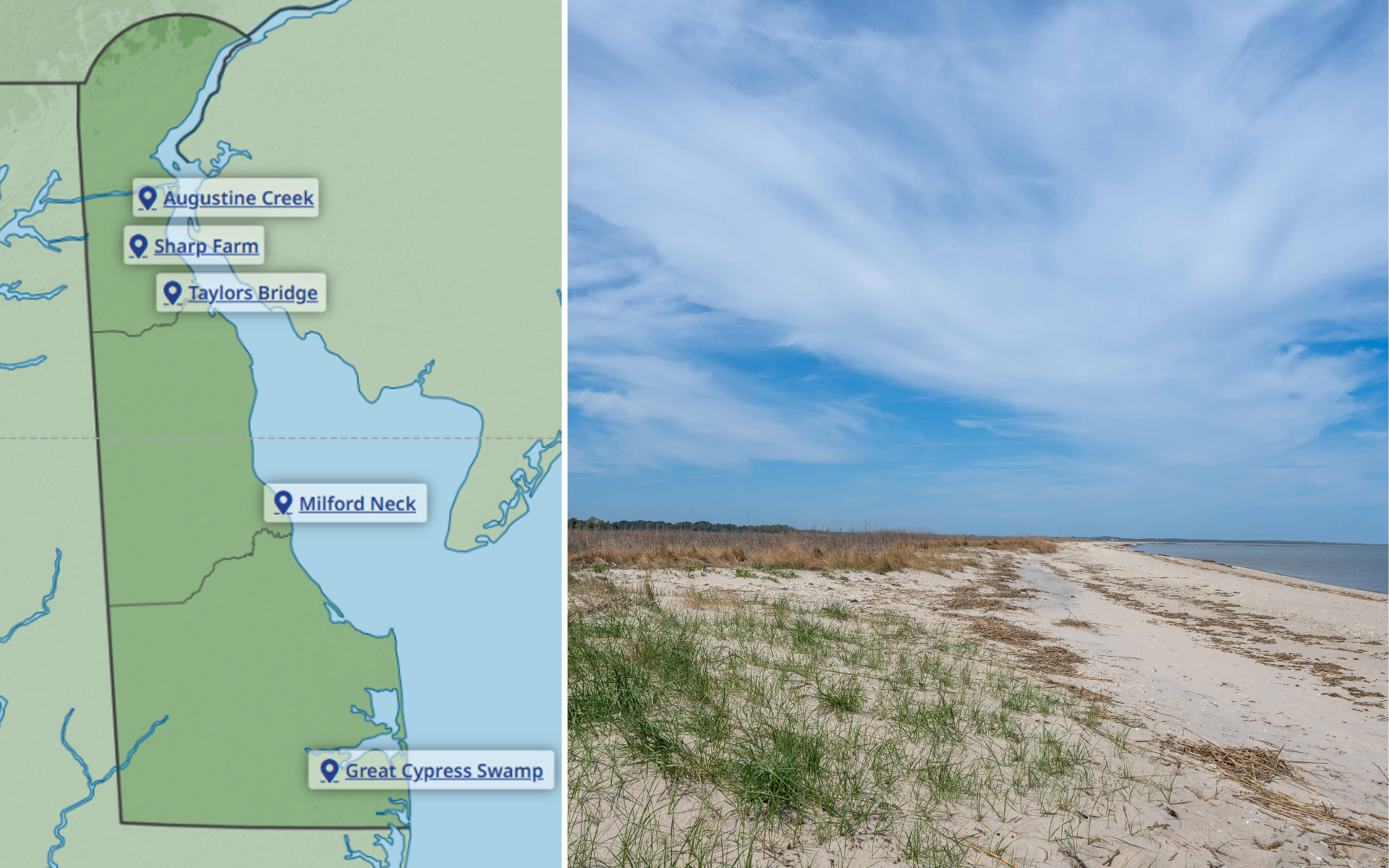
Left: Milford Neck Preserve and the Great Cypress Swamp are located approximately 40 miles apart in Delaware. Right: A stretch of coastline at the Preserve
Milford Neck Preserve: A Critical Coastal Landscape
Milford Neck Preserve, owned and managed by Delaware Wild Lands, is a 3,500-acre coastal landscape along the Delaware Bay where tidal wetlands, forests, and shoreline habitats converge. Along with nearby protected lands, it forms part of a larger corridor along the Eastern Flyway that supports migratory bird populations.
The Preserve also provides essential habitat for many wildlife species, including the world’s largest concentration of spawning horseshoe crabs. Their eggs are a vital food source for birds like the threatened red knot, a shorebird whose annual migration from Tierra del Fuego to the Arctic is among the longest on Earth.

A migratory red knot
But this landscape is increasingly under pressure from rising sea levels and coastal development. To protect Milford Neck and its biodiversity, Delaware Wild Lands is leading the development of a management plan. This effort will identify and prioritize habitat restoration opportunities across the Preserve.
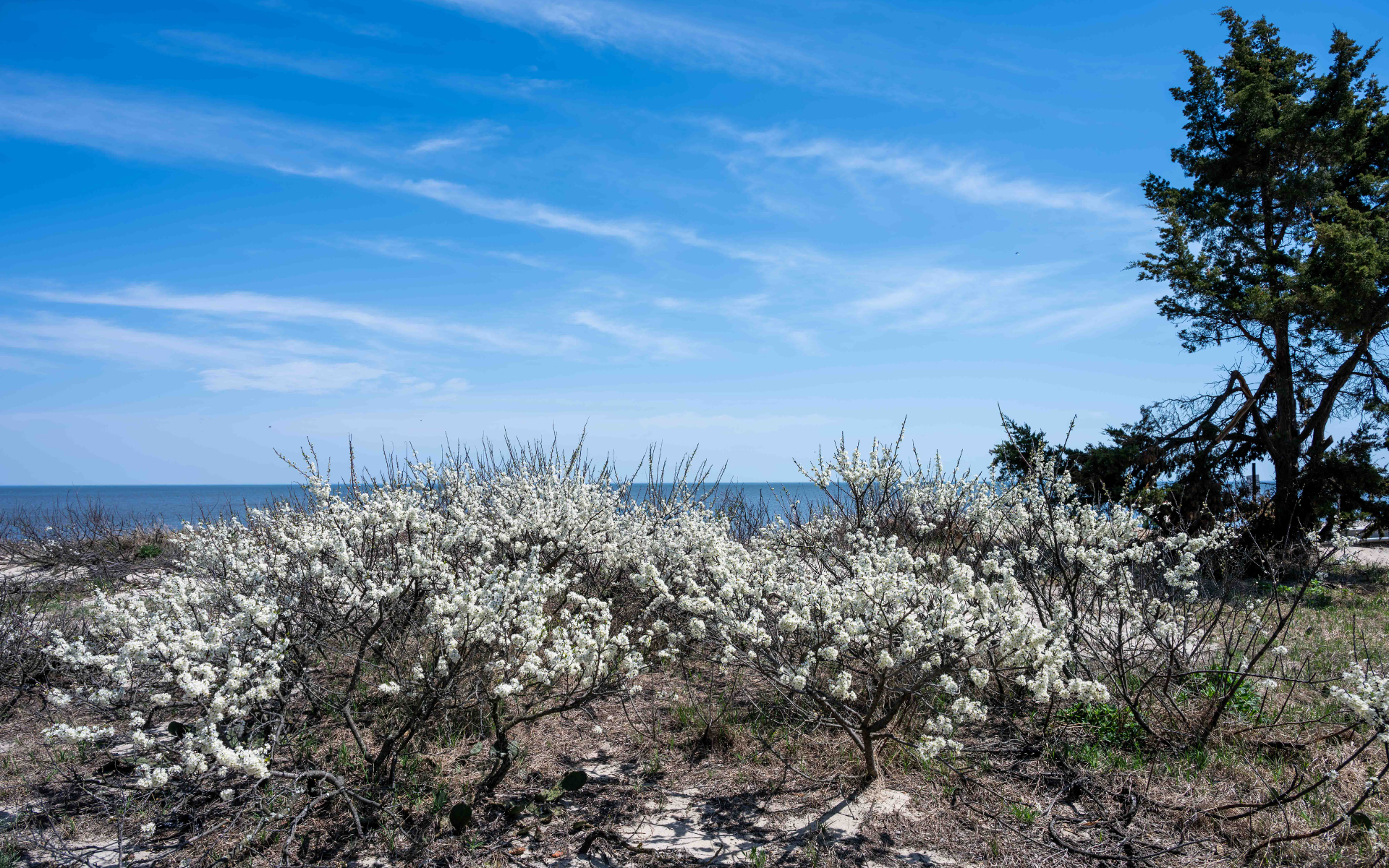
Prunus martima (beach plum) at Milford Neck Preserve
A Botanical Survey to Guide Restoration of Milford Neck Preserve
Plants are the foundation of all ecosystems. A thorough understanding of what’s growing — and what’s missing — is essential to making smart decisions about where and how to restore habitat.
Our team is conducting a botanical survey to identify rare and invasive plant species, assess priority habitats, and establish a baseline for measuring restoration progress over time. This survey will serve as a critical tool to guide Delaware Wild Lands’ management plan, moving the Preserve from general maintenance toward targeted, measurable ecological recovery.
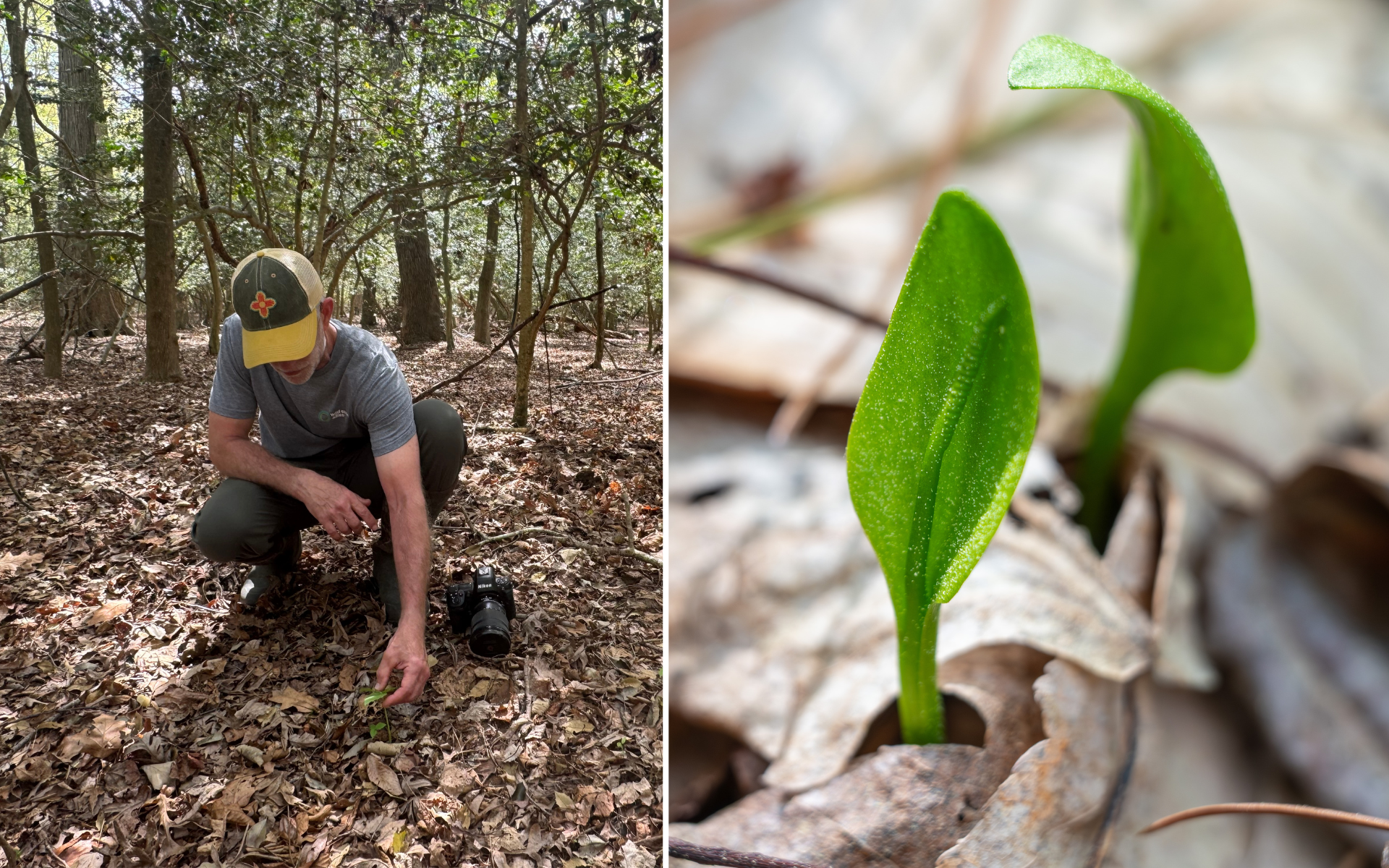
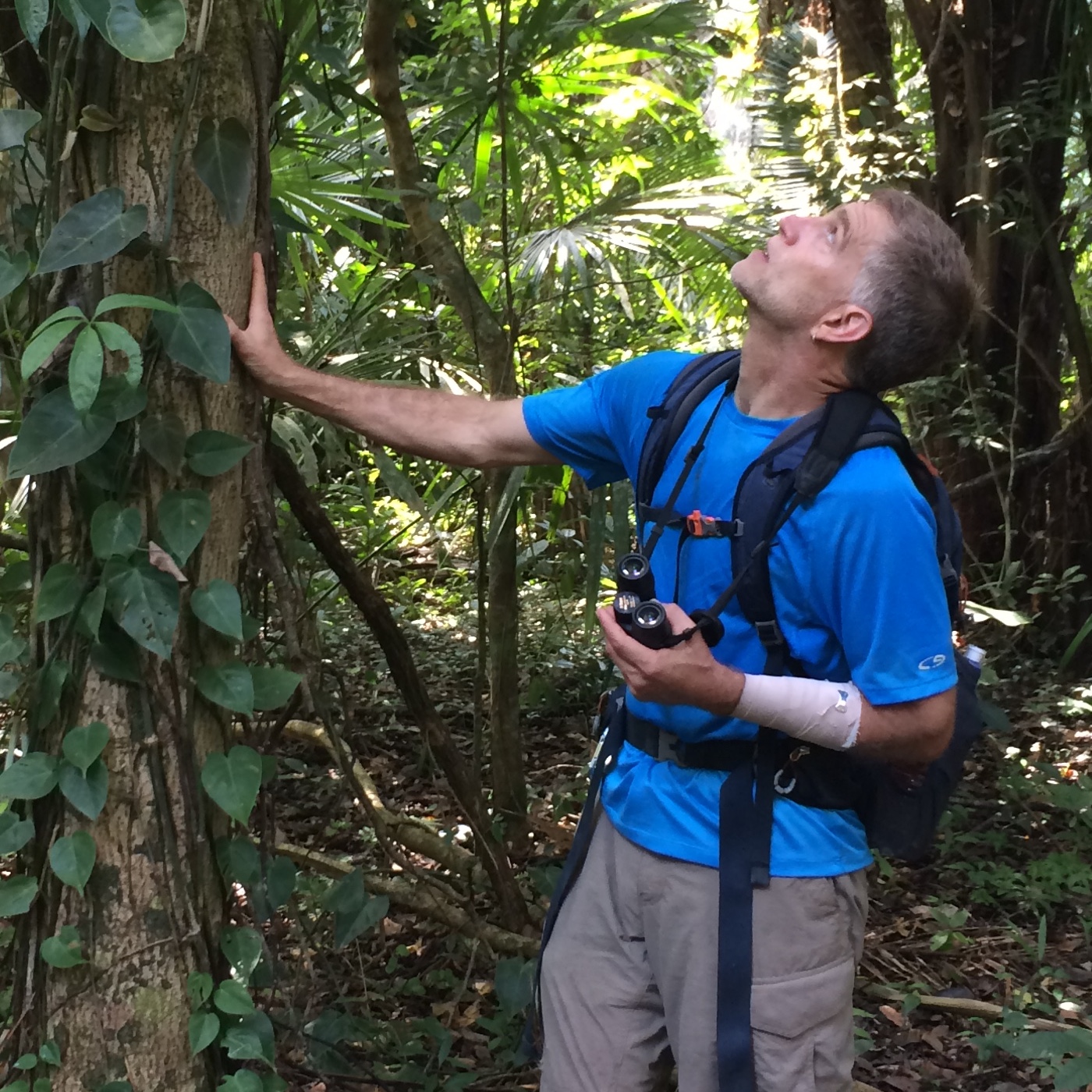
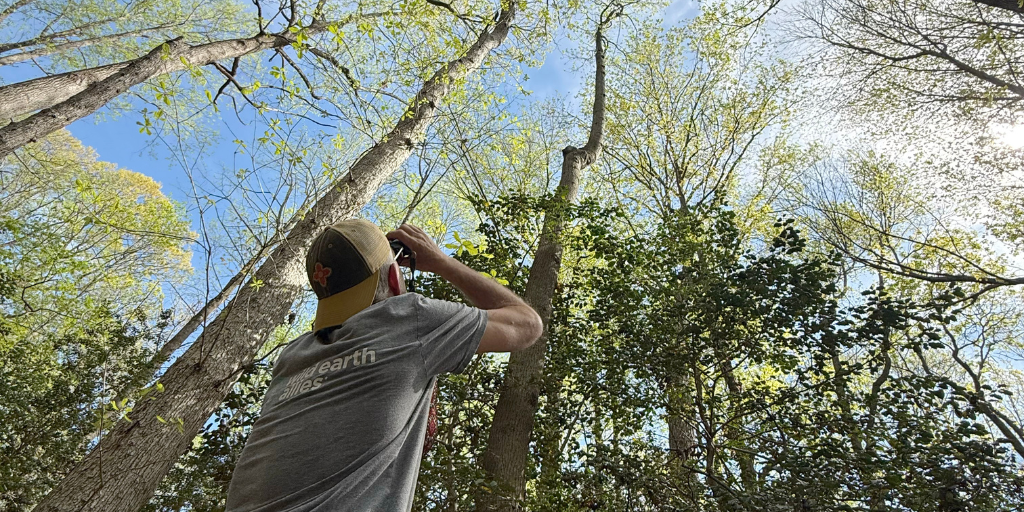
Left: Wild Earth Allies Botanist, Steven Brewer, Ph.D., conducts a botanical survey at Milford Neck Preserve. Right: Ophioglossum pycnostichum (Southern Adder’s-tongue), a plant documented during the survey
Building on Five Years of Wetland Restoration
Over the past five years, Wild Earth Allies and Delaware Wild Lands have been rewilding the Great Cypress Swamp. Our joint botanical survey documented a 124% increase in plant diversity from the last survey 20 years earlier, meaning the number of species has more than doubled. That increase demonstrates the positive impact of Delaware Wild Lands’ restoration work over those two decades.
The botanical survey isn’t just measuring change — it’s guiding it. Together, we’ve planted more than 51,000 native trees in areas identified as restoration priorities in the Swamp. Through ongoing monitoring, we are tracking results and refining our approach to tree planting.
The insights from this work are now informing the botanical surveys we’re conducting at Milford Neck Preserve.
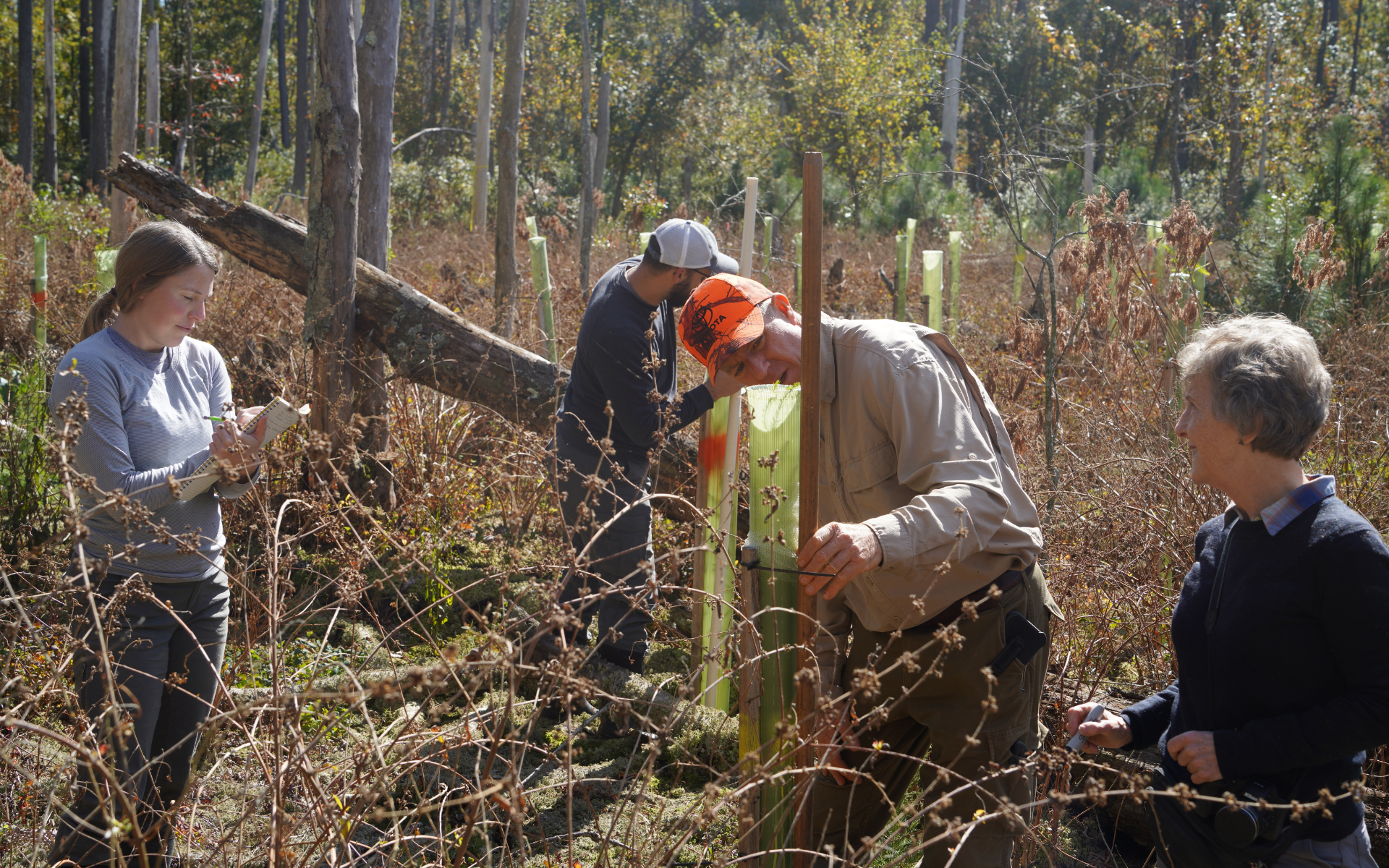
Team members from Wild Earth Allies and Delaware Wild Lands monitor bald cypress seedlings protected with tree tubes in the Great Cypress Swamp.
Looking Ahead
Our collaboration with Delaware Wild Lands is opening new connections. Wild Earth Allies is developing a new conservation program for horseshoe crabs in Cambodia, where their status remains unknown. Cross-site exchanges between the two organizations will enhance the research and protection of these vulnerable animals.
As this partnership grows, so does our ability to connect botanical research, restoration, and global conservation knowledge—protecting two of Delaware’s most significant ecosystems for the long term. This is what deep collaboration looks like, and your support makes it possible.

A horseshoe crab on the beach at Milford Neck Preserve (Photo: Delaware Wild Lands)