Joint Press Release
សម្រាប់ភាសារខ្មែរ សូមចុចលើឯកសារតំណភ្ជាប់ជា (PDF)
(Khmer-language version of this release)

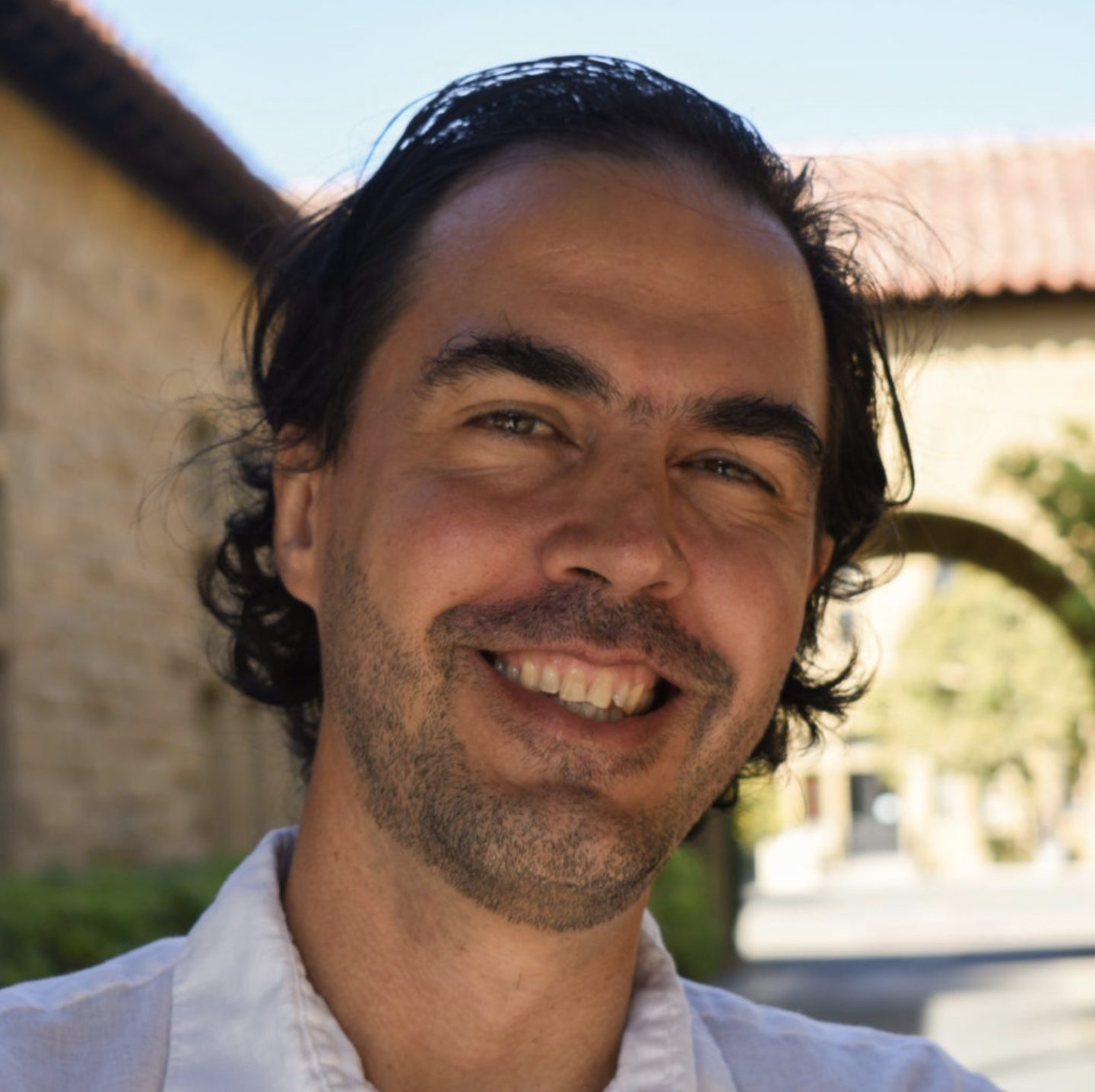
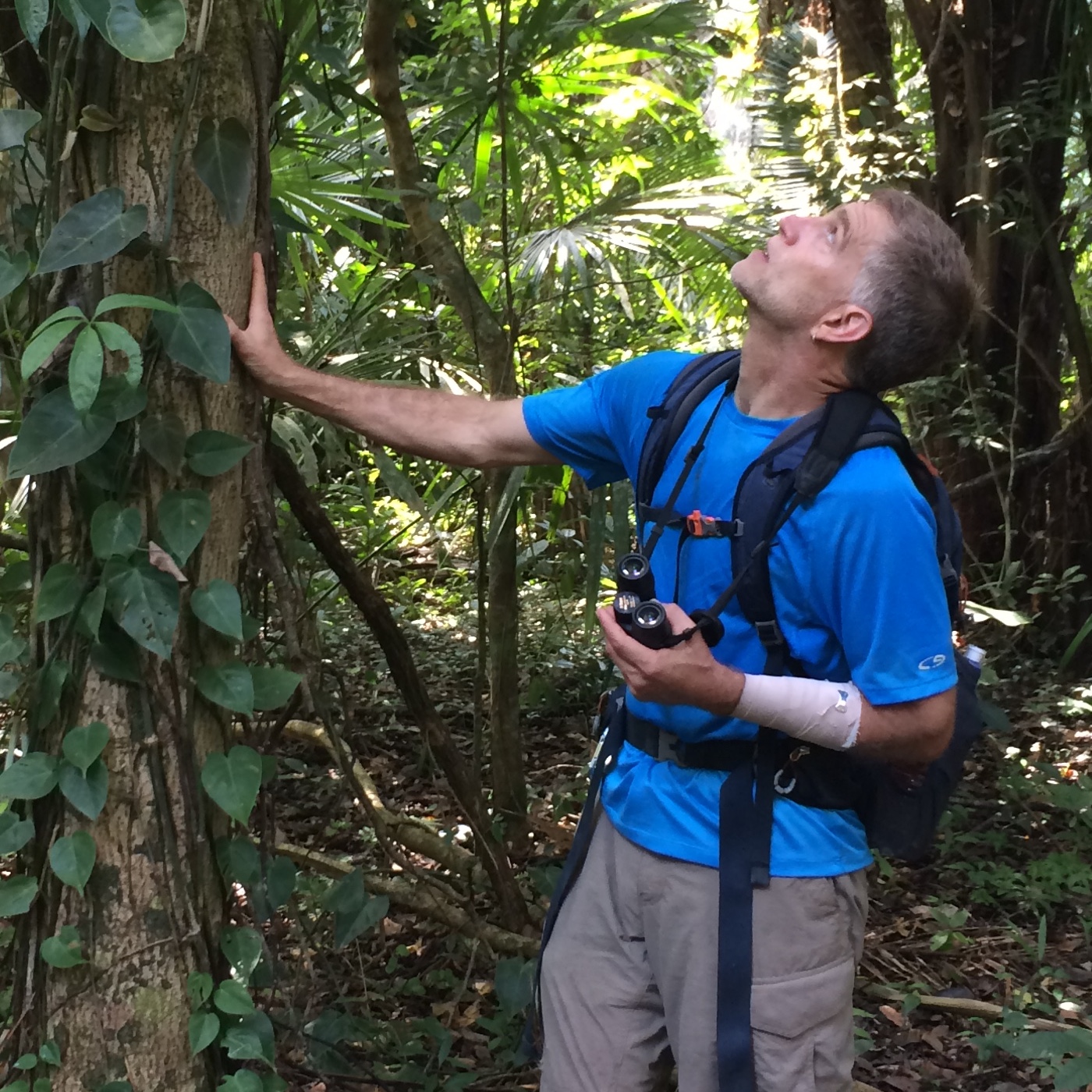
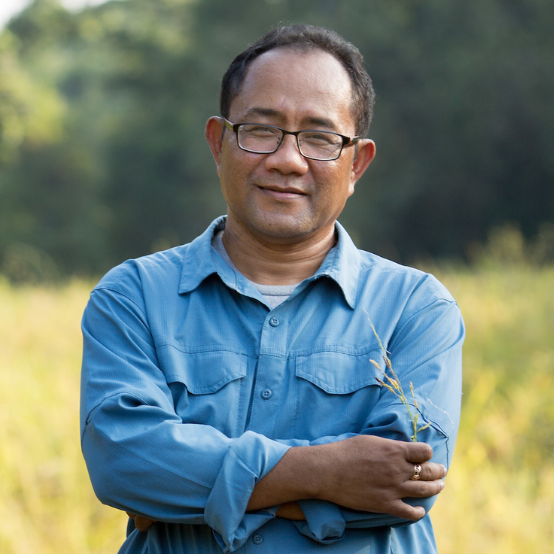
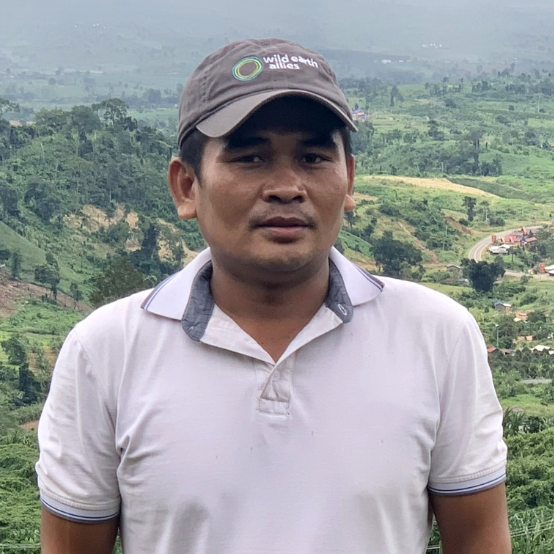
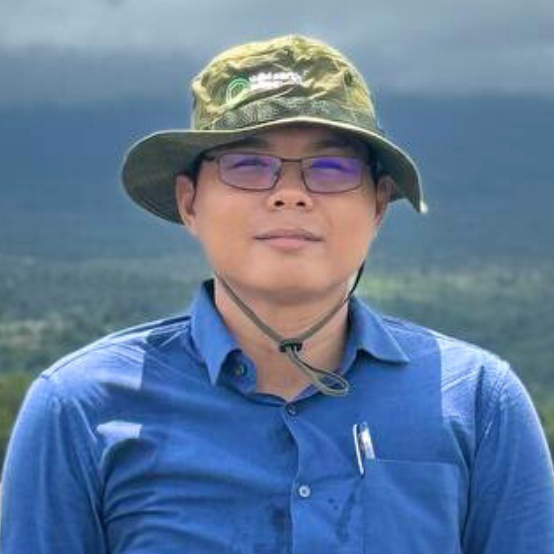
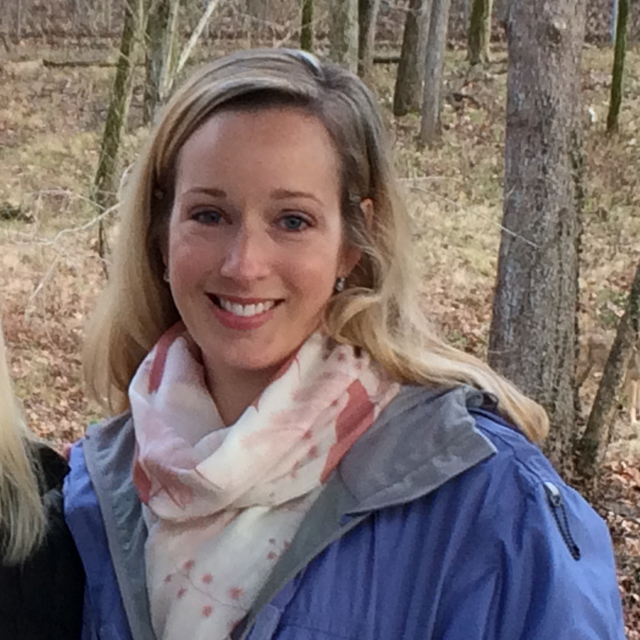
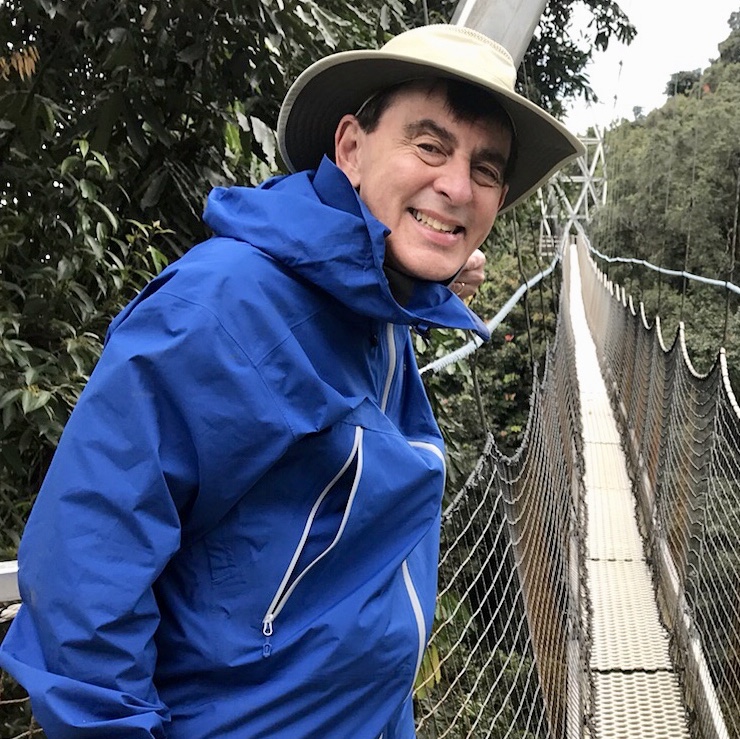
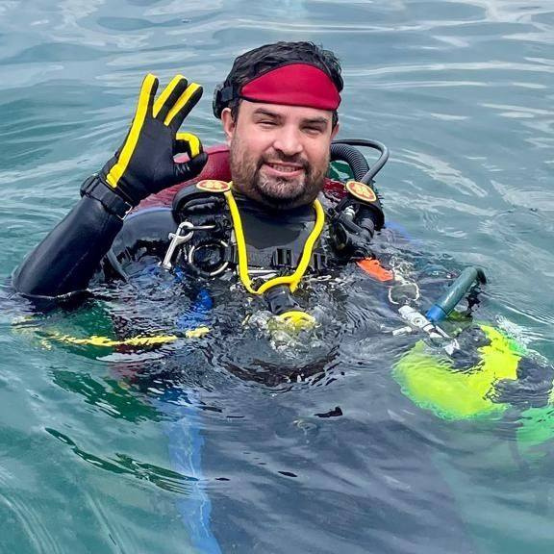
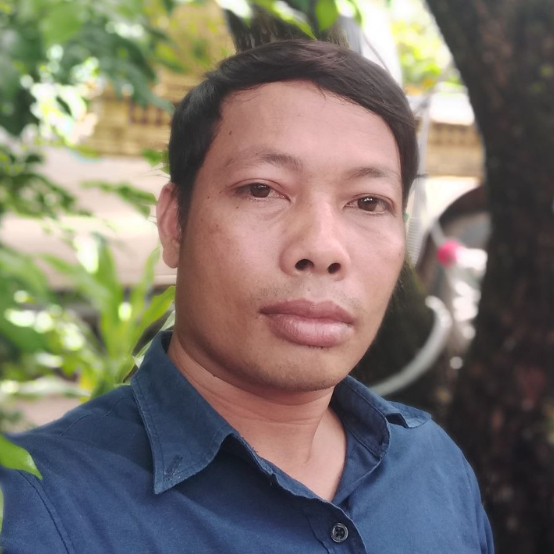
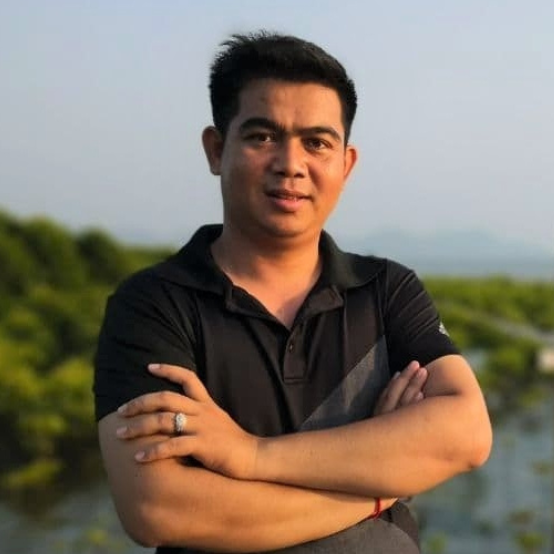
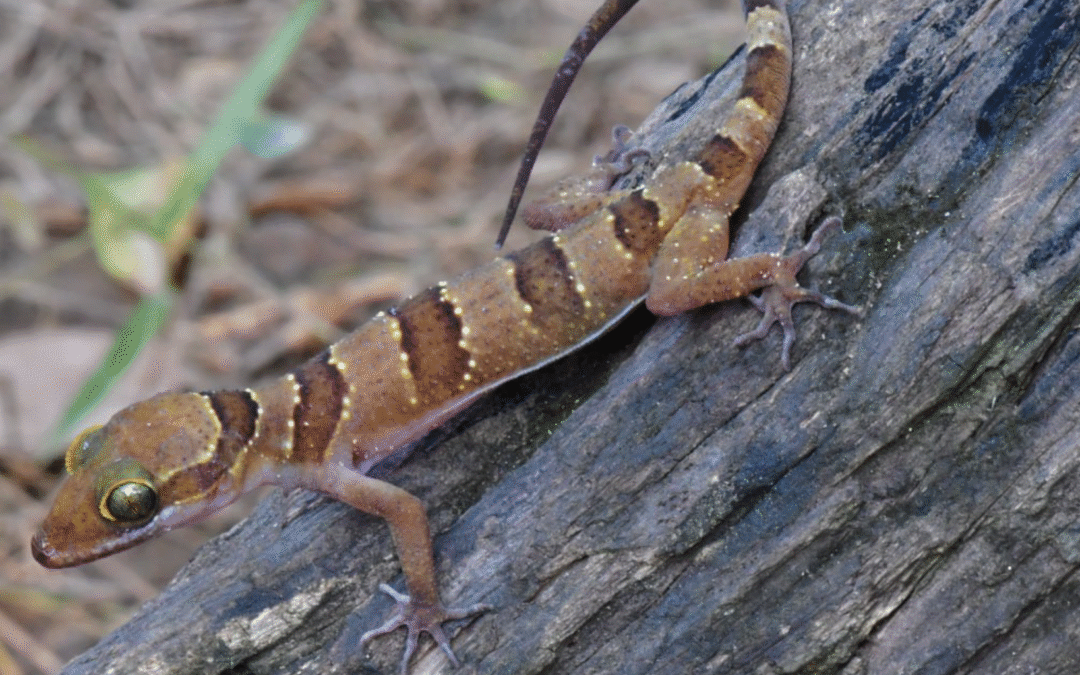
Phnom Penh, Cambodia – The Ministry of Environment and Wild Earth Allies announce the discovery of a new species of bent-toed gecko in Cambodia’s Kirirom National Park. The species, Cyrtodactylus kiriromensis sp. nov., was described through a long-term collaborative effort involving Wild Earth Allies Cambodia Conservation Manager Neang Thy, Bryan L. Stuart, Ph.D., of the North Carolina Museum of Natural Sciences, and L. Lee Grismer, Ph.D., of La Sierra University.
The findings, published in the scientific journal Zootaxa, highlight the extraordinary—and still unfolding—biodiversity of the Cardamom Mountains, where many species occur nowhere else on Earth.
“This discovery reminds us that Cambodia’s biodiversity is still far from fully documented. Even in well-known protected areas like Kirirom National Park, there are species waiting to be recognized. Continued field research is essential to understanding—and protecting—the country’s unique wildlife,” said Neang Thy.
The species was first encountered by Stuart during early field expeditions to Cambodia under the auspices of the Wildlife Conservation Society more than two decades ago but could not be formally described at the time due to genetic complexity. Cyrtodactylus kiriromensis belongs to a group of bent-toed geckos once thought to represent a single widespread species. Continued research has since revealed this group to consist of multiple distinct, site-specific species found across the Cardamom Mountains, underscoring how much remains to be learned about Cambodia’s wildlife—particularly in areas that were historically inaccessible to researchers. Recent advances in genetic research made it possible to distinguish Cyrtodactylus kiriromensis from closely related species.
Ecologically, the new species was observed on tree trunks, at the base of trees, on rock boulders near streams, and along forest trails at night in semi-evergreen forest. It is named after Kirirom National Park, a protected area in Kampong Speu Province characterized by pine forest, semi-evergreen and evergreen forest, and bamboo stands. The park is managed by the Ministry of Environment and is a popular destination for visitors to the region.
“Findings like this highlight the importance of museum collections in biodiversity inventories. When my Cambodian colleagues and I sampled the species at Kirirom National Park in June of 2000, we followed the taxonomy at the time and assumed this was another population of the geographically widespread species Cyrtodactylus intermedius. Now, we have been able to go back to those 2000 samples and analyze them in the context of current understanding of genetic diversity in this group of geckos- and have learned that we have had a distinct species to science that is unique to Kirirom National Park,” said Stuart.
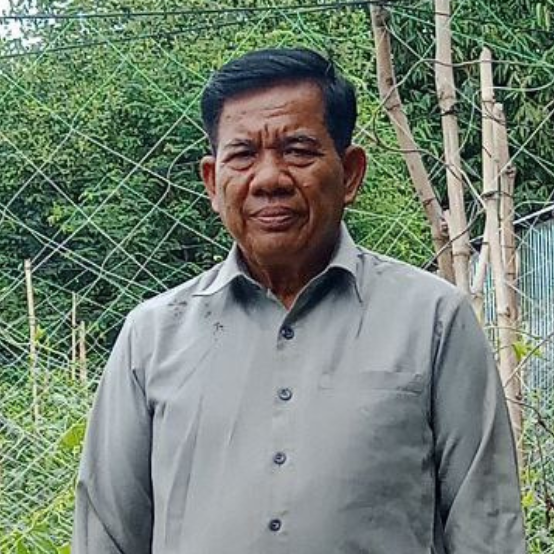
His Excellency Khvay Atitya, Spokesperson of the Ministry of Environment, emphasized, “The discovery of new biodiversity species clearly confirms the critical importance of green cover within protected areas, which holds invaluable significance for both people and nature. Protected areas play a fundamental role in conserving natural resources and protecting the environment, and in ensuring sustainability for present and future generations.
“Furthermore, the Ministry of Environment has been actively promoting law enforcement, expanding forest cover, and developing local community livelihoods. These efforts aim to ensure that Cambodia’s protected areas continue to serve as essential habitats for both animals and plants, particularly for Vulnerable and Critically Endangered species of global value. They also serve as important places for scientific research and provide opportunities to attract domestic and international tourists through the development of high-potential green ecotourism destinations.”
About Wild Earth Allies
Wild Earth Allies is reshaping how conservation works by building long-term partnerships with local organizations and leaders in high-biodiversity areas worldwide. Through deep collaboration, strategic support, and shared learning, we advance conservation rooted in local values, knowledge, and practices—so wildlife and people can flourish together in healthy ecosystems that sustain us all. wildearthallies.org.
Media Contact
Laura Milton
lmilton@wildearthallies.org
###