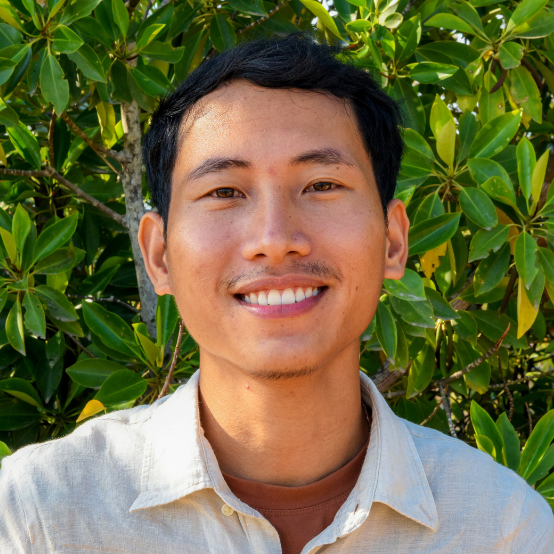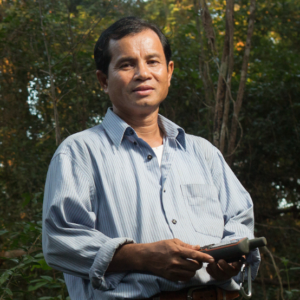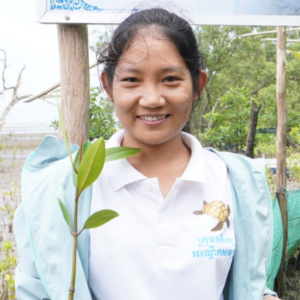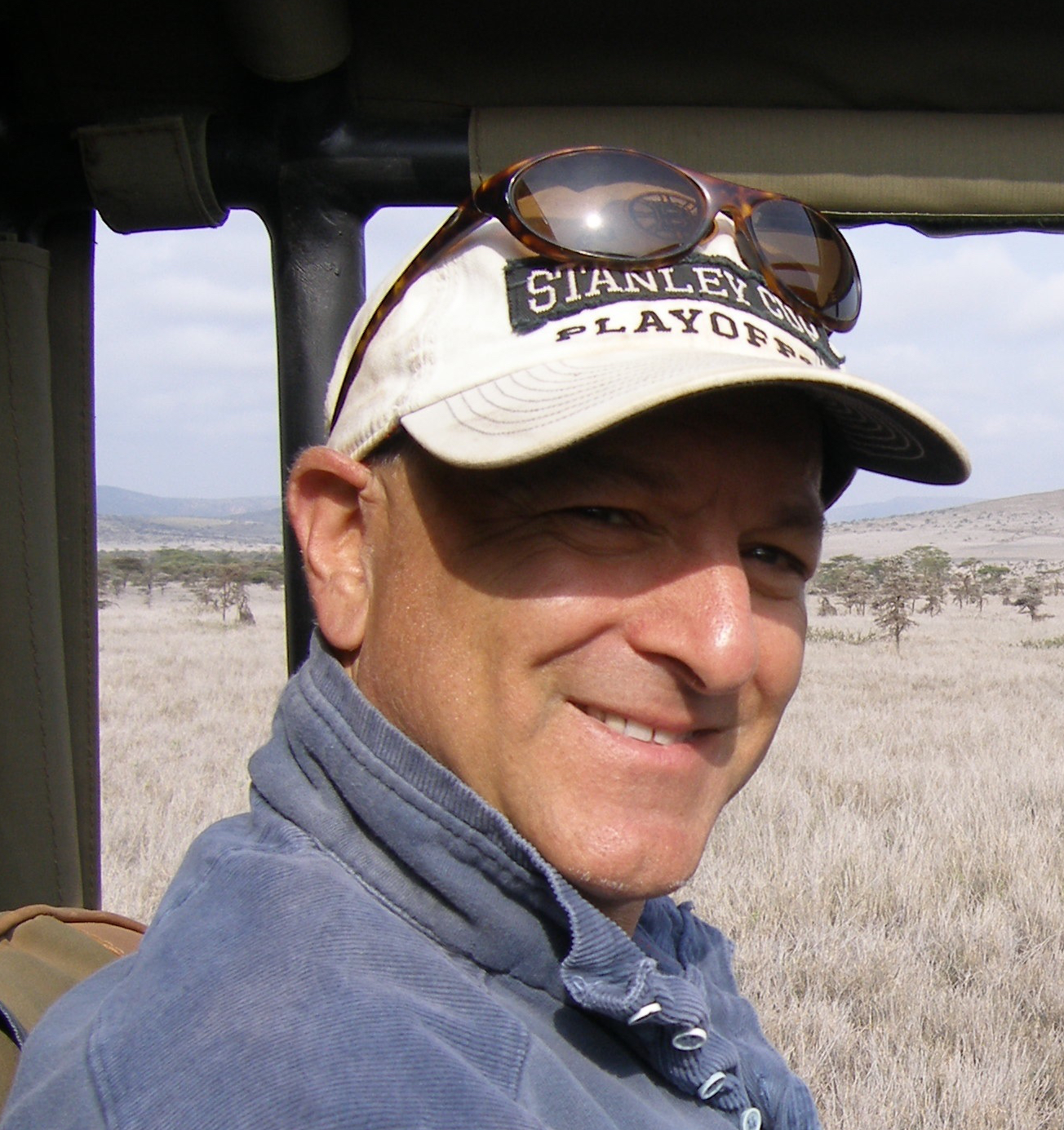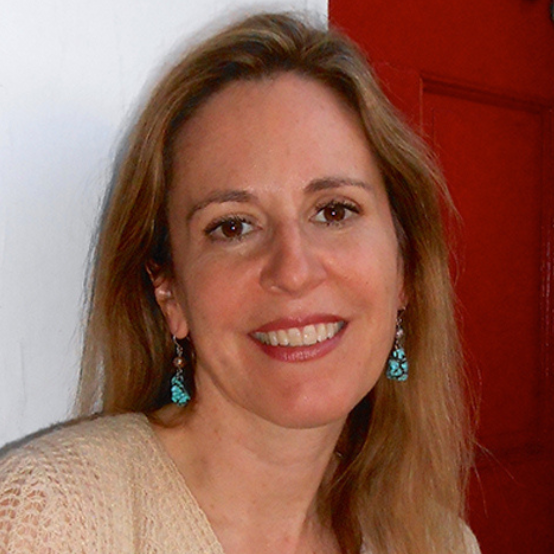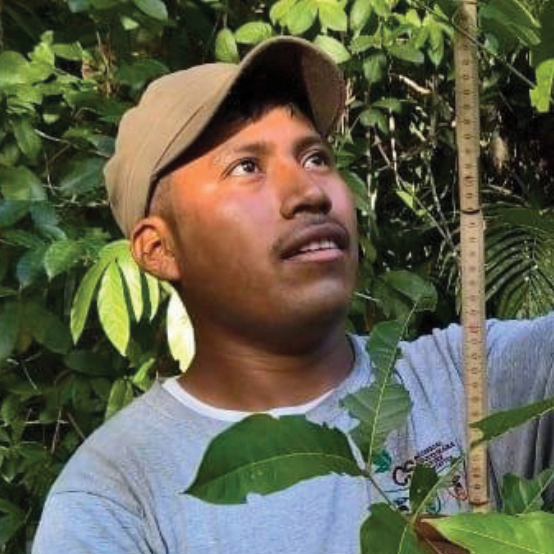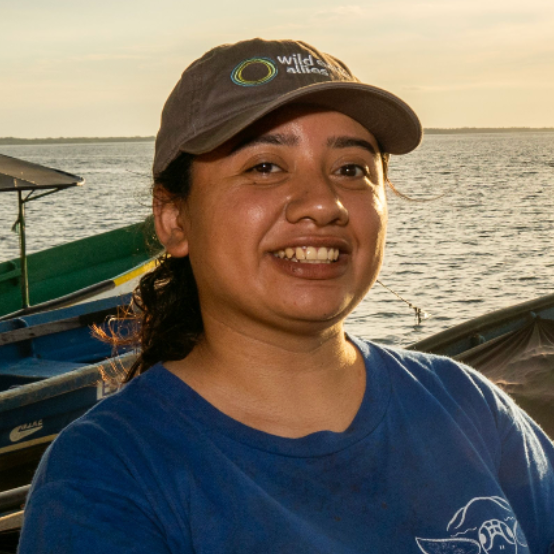

Sea turtle conservation is about more than wildlife — it’s about people. Local and Indigenous communities around the world have deep cultural, economic, and ecological connections to sea turtles. Their meaningful participation is essential to conservation that endures. Yet too often, they are the last to influence decisions, shape strategy, or receive long-term resources.
José Urteaga, Director of Marine Partnerships at Wild Earth Allies, and Ani Henríquez, Executive Director of ProCosta, reflect on their long-term partnership.
The 44th International Sea Turtle Symposium in Kailua-Kona, Hawai’i, was dedicated to amplifying local and Indigenous voices in sea turtle conservation. Nearly 700 scientists, practitioners, Indigenous leaders, and community representatives gathered to exchange knowledge and reflect on the future of sea turtle conservation. Wild Earth Allies was proud to serve as lead partner and to help shape this global conversation.
Indigenous leaders and practitioners from across the Pacific shared how their communities’ deep-rooted relationships with the ocean and sea turtles guide stewardship. They explored how traditional knowledge and modern conservation can work hand in hand to advance equity and resilience—and better conservation outcomes.
Reshaping How Conservation Works
At the symposium’s opening session, Wild Earth Allies Director of Marine Partnerships, José Urteaga, delivered a keynote calling for a fundamental shift in sea turtle conservation—one where local and Indigenous leaders are at the center.
While conservation success is often celebrated globally, the work that sustains it is overwhelmingly local. We must shift the structural imbalance that shapes who is recognized, who is heard, and who is resourced.
“Being heard means local and Indigenous leaders are not participants in someone else’s plan — they are co-authors.”
— José Urteaga, Director of Marine Partnerships, Wild Earth Allies

José Urteaga delivers a keynote at the 44th International Sea Turtle Symposium.
José underscored that addressing this challenge requires more than acknowledgment; it demands a reshaping of how conservation works.
Local conservation must be made visible by elevating the individuals and communities whose long-term commitment underpins real outcomes. It must also be heard by ensuring they hold decision-making power as co-authors of conservation strategies, not just participants.
Equally, resources must follow leadership through long-term, flexible support that strengthens local organizations rather than extracting short-term results.

A female hawksbill sea turtle nests on the beach in Jiquilisco Bay, El Salvador. (Photo: Carlos Rivas)
Turning the Tide for Hawksbill Sea Turtles
In El Salvador, the shift to community-centered conservation has been underway for nearly two decades. The results speak for themselves.
In 2007, the Eastern Pacific hawksbill turtle population was on the brink. Almost every nest in El Salvador was collected for sale on what was then a legal market. Fewer than 700 nesting females remained. A leading Salvadoran NGO, ProCosta, saw both a crisis and an opportunity. Rather than criminalizing egg collectors, they worked with coastal communities to turn collectors into protectors — building hatcheries, monitoring beaches, and advocating for legal reform.
By 2009, turtle egg consumption was outlawed. By 2011, communities were protecting more than 95% of nests in Jiquilisco Bay. In 2024, nesting reached record highs. More than 5,000 nests have been protected, and as a result over 400,000 hatchlings have been released to date. These positive results are driving population recovery. In recent years, nesting has more than doubled from earlier years. This is a tremendous success and a reason for celebration.
“People used to sell eggs for consumption, and now they’re part of this conservation program. They are the ones leading. They are the ones patrolling. They are the ones in charge of the hatchery.”
— Ani Henríquez, Executive Director, ProCosta
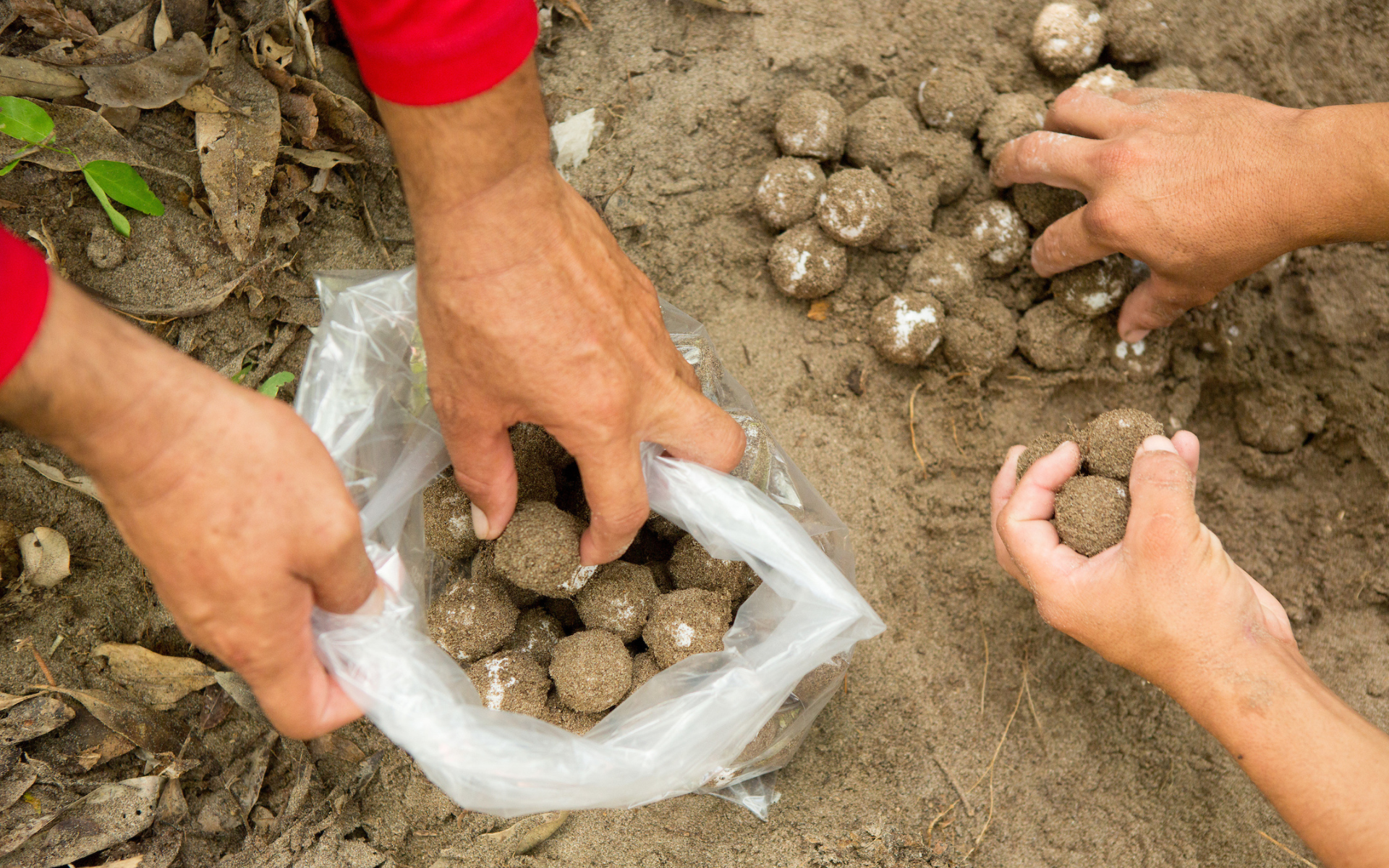
ProCosta team members carefully count and bag a clutch of eggs just laid by a hawksbill sea turtle. (Photo: Allison Shelley)
A Long-Term Partnership for Sea Turtles and Communities
Wild Earth Allies has partnered with ProCosta for nearly a decade, providing resources, strategic guidance, and connections that help this work scale and endure.
ProCosta’s success demonstrates what becomes possible when local organizations lead, when relationships are built over years rather than project cycles, and when outside partners play a supporting role rather than a directing one.

ProCosta team members weigh a hawksbill sea turtle as part of their in-water monitoring program. (Photo: Carlos Rivas)
Recognition of a Community-Centered Conservation Model
At the symposium’s closing ceremony, ProCosta received the 2026 Champions Award from the International Sea Turtle Society in recognition of their outstanding contributions to sea turtle research and conservation.
ProCosta’s impact on sea turtles and communities reflects a broader shift in conservation. When local communities are at the center, conservation is more equitable, effective, and enduring.
As global conversations continue to evolve, deep partnerships like this one offer a clear path forward. When local action is seen, heard, and well-funded, both people and nature flourish.
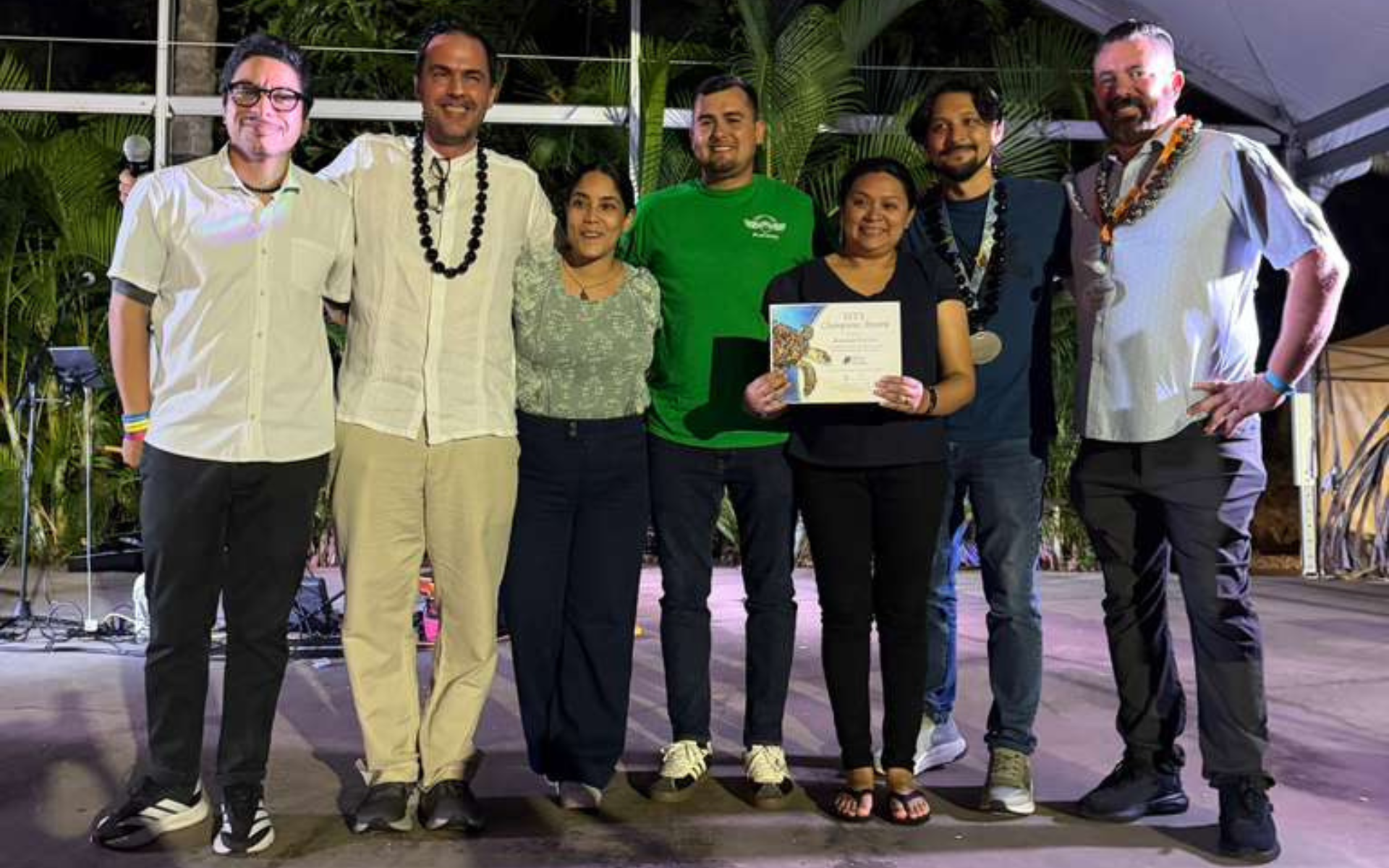
The ProCosta team receives the 2026 International Sea Turtle Society’s Champions Award.