Wild Earth Allies co-creates knowledge reflecting science, exploration, and diverse perspectives and practices. Browse our curated selection, with more coming soon.

Celebrating a Decades-Long Commitment to People and Nature in Rwanda: Reflections, Insights, and Looking Forward
In Rwanda, Wild Earth Allies has sustained three decades of deep partnership rooted in local leadership, sustained collaboration, and shared benefits for people and nature. Today, mountain gorillas are the only great ape population on the rise, and communities around Volcanoes National Park are reaping the benefits of conservation. In this second Allied Insights edition, we highlight lessons from 30 years of work in Rwanda that demonstrate what it takes to operate a successful community-partnership model.

Pileated Gibbons of Cambodia’s Prey Lang Wildlife Sanctuary: New Findings from a Global Refuge
In the first edition of our Allied Insights series, we share new findings from the most comprehensive assessment to date of endangered pileated gibbons (Hylobates pileatus) in Cambodia’s Prey Lang Wildlife Sanctuary. Led by our Conservation Manager Neang Thy in collaboration with government and Indigenous Kuy partners, our study reveals more than 12,000 pileated gibbons, anchoring Prey Lang as a stronghold for this endangered primate. The report also frames priority next steps to conserve Prey Lang’s gibbons in ways that integrate cultural values and enrich local livelihoods.
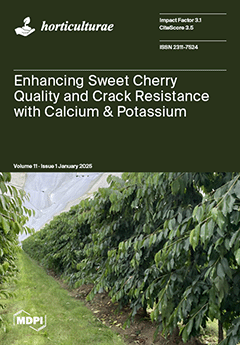
Boesenbergia Kuntze (Zingiberaceae) in Cambodia: Four New Records with Notes on Their Potential Horticultural Significance, Cultivation Guidelines, and Lectotypification of B. xiphostachya (Gagnep.) Loes.
This study reports four new records of Boesenbergia, a genus of plants in the ginger family, in Cambodia. A comprehensive identification key is included, alongside information on habitat, phenology, traditional uses, and conservation status for each species. Co-authored by our Cambodia Field Research Officer, Det Song, these findings highlight the ecological and cultural significance of Boesenbergia, emphasizing the need for continued exploration and documentation in Southeast Asia.

An updated checklist of Begonia (Begoniaceae) in Cambodia including a new record
Co-authored by our Cambodia Field Research Officer, Det Song, this study documented five species of Begonia, a genus of perennial flowering plants, in Cambodia. One species, Begonia longifolia, was recorded for the first time in the country. The report includes an updated reference checklist of Begonia to inform future research.

Review of the Slender Geckos (Squamata: Gekkonidae: Hemiphyllodactylus) of the Cardamom Mountains of southwestern Cambodia, with descriptions of two new species and one country record
Authored by our Cambodia Conservation Manager, Neang Thy, and colleagues, this publication details the discovery of three gecko species in Cambodia’s Cardamom Mountains, two of which are new to science. This research, led by Neang Thy and Dr. Bryan Stuart of the North Carolina Museum of Natural Sciences and conducted in collaboration with the Cambodia Ministry of Environment, provides new insights into the region’s biodiversity and conservation importance.
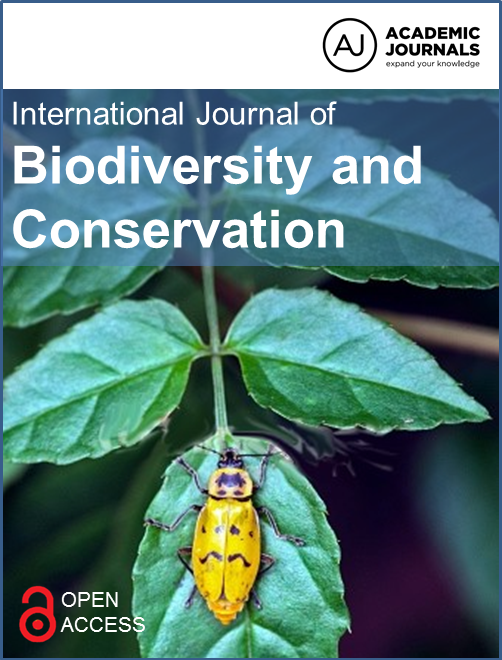
Using fruiting Ape food trees (Myrianthus holstii) to count sympatric mammals at Kahuzi-Biega National Park, Eastern Democratic Republic of Congo
Authored by our partner Augustin K. Basabose, Ph.D., and his Primate Expertise team, this study suggests that placing motion-activated camera traps near fruiting trees may be a cost-effective method to conduct censuses of mammal species sharing the same habitat.
A new species in the Cyrtodactylus intermedius (Squamata: Gekkonidae) group from an isolated limestone karst formation in southwestern Cambodia
Co-authored by our Cambodia Conservation Manager, Neang Thy, this publication describes the Royal Cave Bent-toed Gecko (Cyrtodactylus regicavernicolus) as a new species. Wild Earth Allies collaborated with the Cambodia Ministry of Environment, North Carolina Museum of Natural Sciences, IUCN, Royal University of Phnom Penh, and La Sierra University on the discovery of this new species in an isolated limestone karst block in southwestern Cambodia.
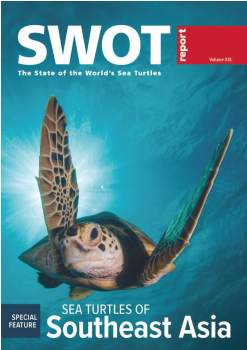
Sea Turtles of Southeast Asia
With contributions from Wild Earth Allies Cambodia, this article reviews the status of sea turtles and their conservation in Southeast Asia.
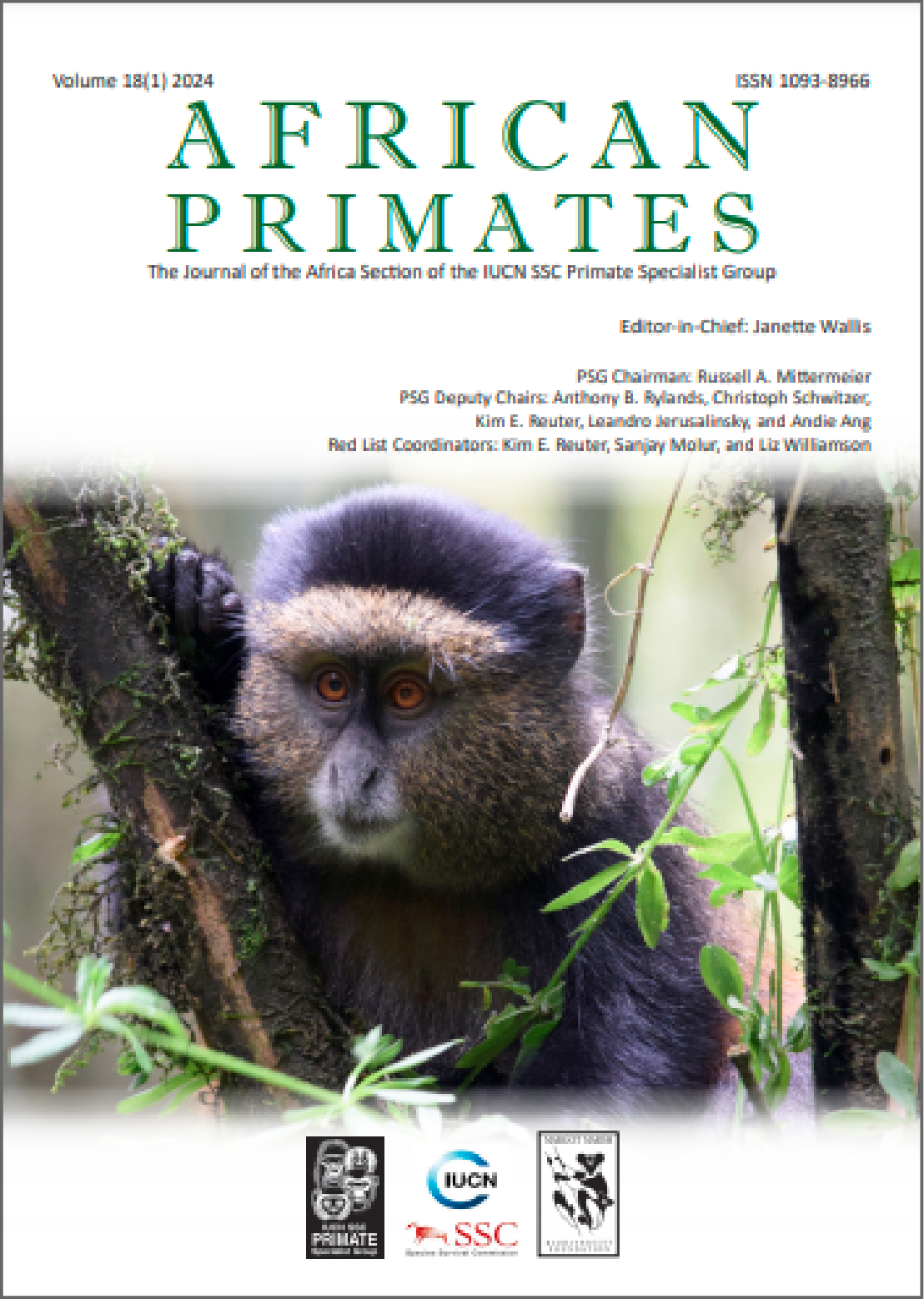
Confirmed Presence of a Small, Isolated Population of Cercopithecus mitis on Idjwi Island, Democratic Republic of Congo
Authored by our partner Augustin K. Basabose, Ph.D., and his Primate Expertise team, this publication reconfirms the presence of blue monkeys on Idjwi Island in the eastern Democratic Republic of the Congo. The article also shares community perspectives toward blue monkeys and provides crucial insights for developing effective, locally led conservation strategies.
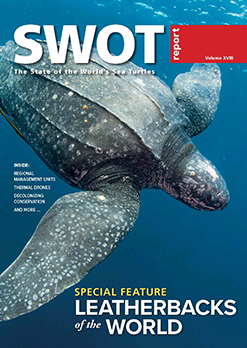
Decolonizing Sea Turtle Conservation
Co-authored by Wild Earth Allies Director of Marine Partnerships, José Urteaga, Ph.D., this article explores how western-centric conservation values have predominated sea turtle research, conservation, and policy around the world. However, integrating local ecological knowledge, values, and needs is essential for creating equitable and lasting conservation.
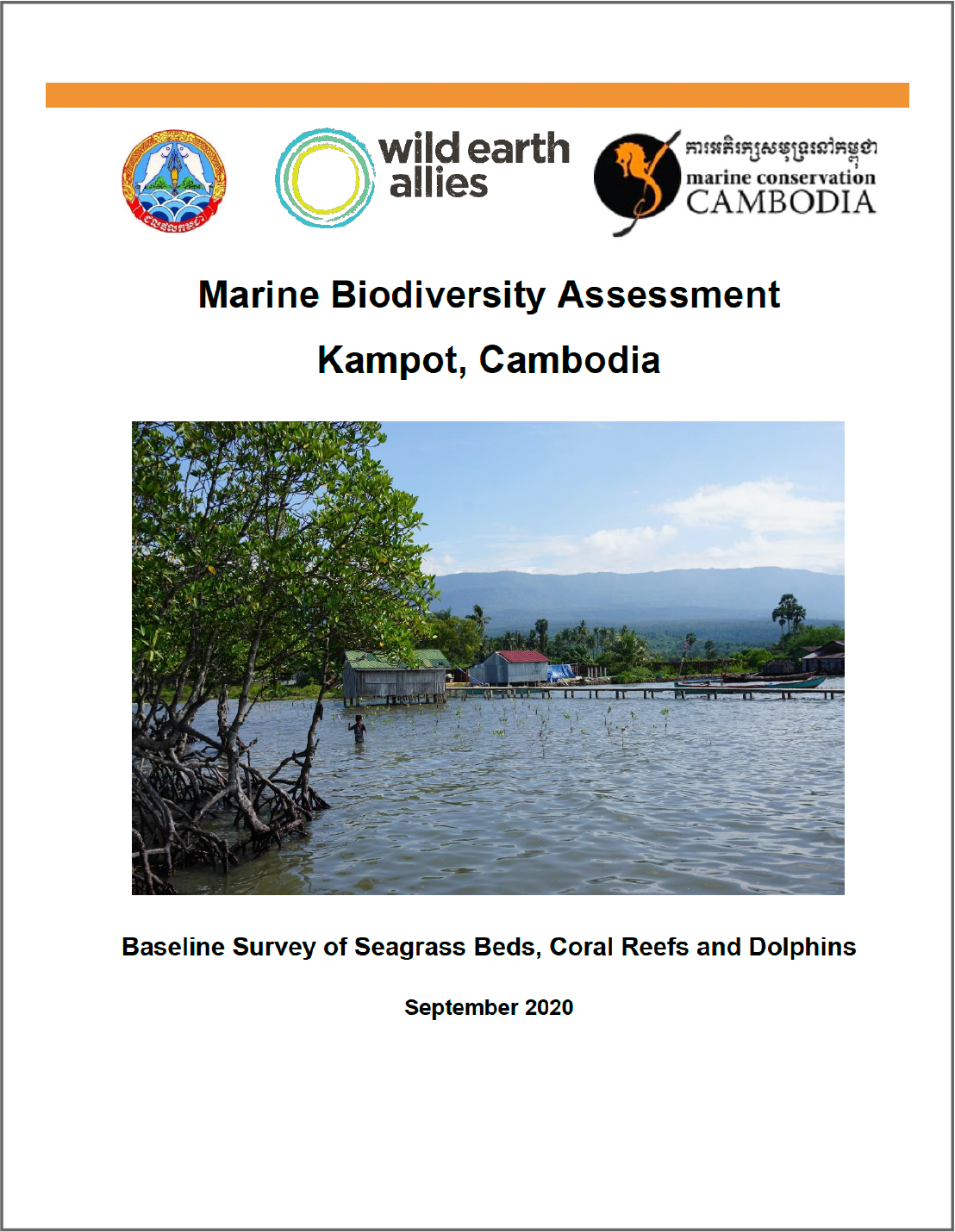
Marine Biodiversity Assessment, Kampot, Cambodia
In 2019, Wild Earth Allies collaborated with Cambodia’s Fisheries Administration, Marine Conservation Cambodia, and the Prek Thnot Community Fishery to conduct baseline ecological assessments in Kampot province, Cambodia. Surveys of coral reefs, seagrass meadows, and marine mammals were undertaken within a proposed marine protected area.
The curious distribution of the dwarf Brazilian tree fern, Neoblechnum brasiliense (Blechnaceae): New country records and a significant range extension
Authored by Wild Earth Allies botanist Steven W. Brewer, Ph.D., and colleagues in Mexico, this publication documents new country records in Belize of the Brazilian tree fern, Neoblechnum brasiliense (Blechnaceae), a significant range extension distribution of this plant. The paper discusses possible explanations for the rarity of this species in Mesoamerica and its disjunctions from South America.