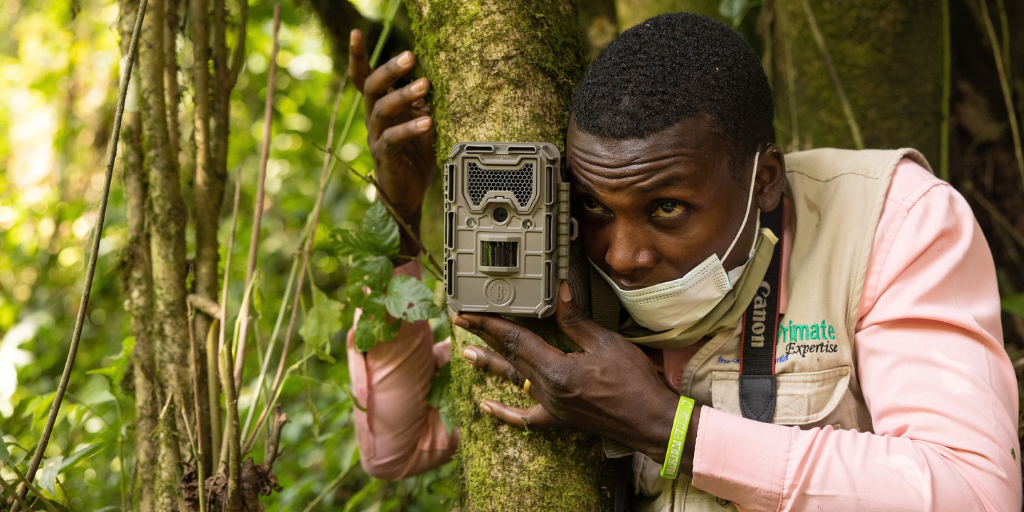
Lasting conservation depends on investing in the people, knowledge, and organizations that will carry today’s work forward. In the Democratic Republic of the Congo (DRC), Michael Baraka Nyakabeji is part of a new generation shaping the future of primate conservation.
As a former Wild Earth Allies Conservation Fellow and the Operations Coordinator at our longtime partner Primate Expertise, Michael was mentored by the organization’s late founder, Dr. Augustin K. Basabose.
Today, Michael is committed to carrying forward Augustin’s approach—bringing together scientific research, community knowledge, and a commitment to improving the well-being of people living alongside primates.
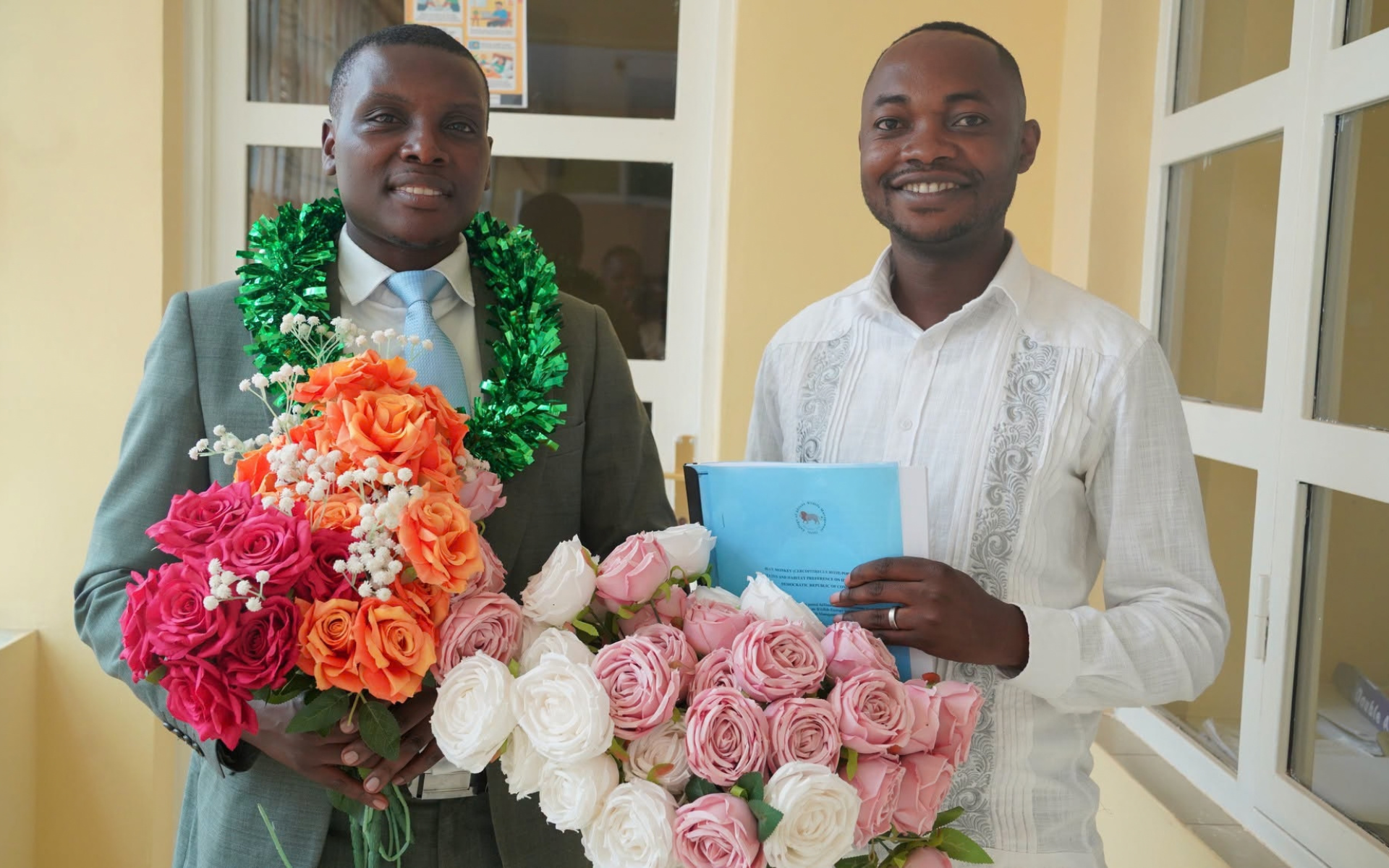
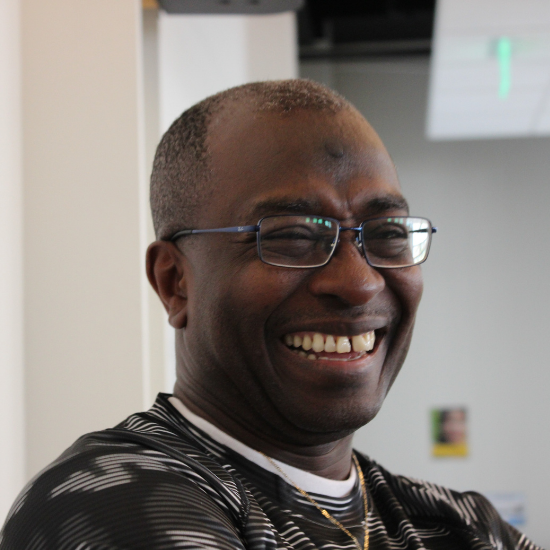
Michael Baraka Nyakabeji celebrates the completion of his master’s dissertation defense with Primate Expertise colleague Eric Mushagalusa.
Bringing Congolese Research to a Continental Stage
Michael recently completed his master’s degree in African wildlife ecology and conservation at the College of African Wildlife Management, Mweka, Tanzania. At the 2026 African Primatological Society Congress in Yaoundé, Cameroon—a gathering of primatologists and conservation practitioners from across Africa—he presented findings from his master’s research on blue monkeys on the DRC’s Idjwi Island.
Michael’s research found that a small but growing blue monkey population persists on Idjwi despite extensive habitat degradation. His findings point to the need for urgent conservation action through continued forest protection and restoration, community engagement, and long-term monitoring. This vital research will inform conservation strategies and guide protection efforts on Idjwi.
Camera trap footage captured by Primate Expertise shows a group of blue monkeys on Idjwi Island in the DRC.
The Congress also provided a valuable opportunity for Primate Expertise and the African Conservation and Development Foundation (ACDEF)—Wild Earth Allies’ partner in Cameroon—to deepen ongoing exchanges. Team members shared their approaches to community-based conservation, from ecological monitoring and habitat restoration in the DRC to community enterprises and sustainable livelihoods in Cameroon’s Dja Biosphere Reserve.
“I am proud to be among the first generation of young Congolese primatologists mentored by the late Dr. Basabose through Primate Expertise. I am committed to carrying forward and advancing his vision and legacy.“
— Michael Baraka Nyakabeji, Operations Coordinator, Primate Expertise

Members of the ACDEF team attend the 2026 African Primatological Society Congress in Yaoundé, Cameroon.
Building on a Legacy of Community-Centered Primate Conservation
At a commemorative plenary session at the Congress, Michael honored Augustin’s life and contributions to African primatology. He also introduced other Congolese researchers and conservationists who were mentored by Augustin and reflected on the responsibility of continuing the work he began.
“I am proud to be among the first generation of young Congolese primatologists mentored by the late Dr. Basabose through Primate Expertise. I am committed to carrying forward and advancing his vision and legacy,” said Michael.
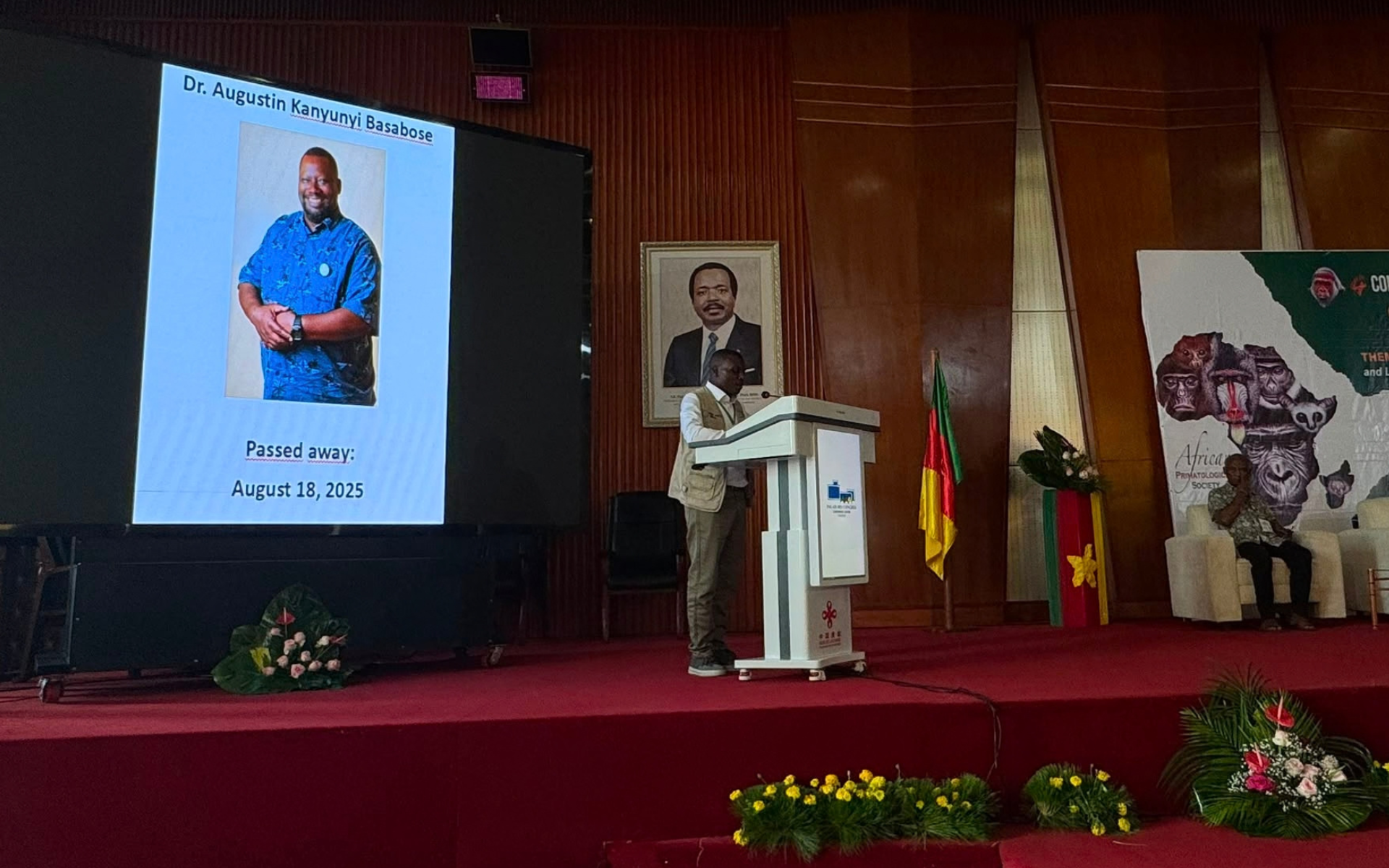
Michael Baraka Nyakabeji honors the late Dr. Augustin K. Basabose at the 2026 African Primatological Society Congress.
Creating the Future of Primate Conservation in the DRC
That legacy is already taking new forms. During the Congress, Congolese primatologists came together to launch the Congolese Society of Primatology, a new platform for researchers and conservationists to connect, share knowledge, and strengthen the field within the DRC.
“The future of primate conservation in the DRC will depend on strengthening the next generation of Congolese primatologists and conservationists, protecting and restoring natural habitats, advancing scientific research, and ensuring meaningful involvement of local communities.“
— Michael Baraka Nyakabeji, Operations Coordinator, Primate Expertise
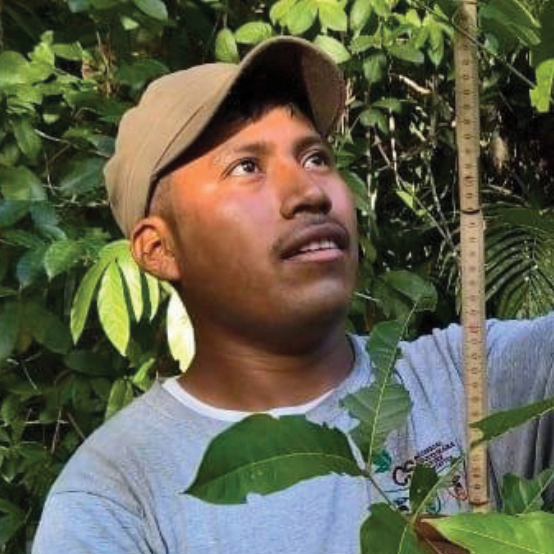
Michael will continue to advance primate research and conservation, including through the Ape Trees® project developed by Augustin. The initiative grows native trees from seeds collected from ape dung to restore degraded forest habitats.
“The future of primate conservation in the DRC will depend on strengthening the next generation of Congolese primatologists and conservationists, protecting and restoring natural habitats, advancing scientific research, and ensuring meaningful involvement of local communities,” said Michael.
Further reading:
Photos courtesy of ACDEF, Primate Expertise, and Allison Shelley