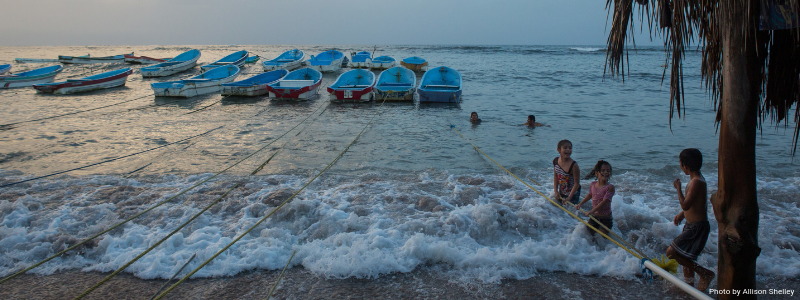
Pioneering Fishermen Tackle Hawksbill Turtle Threats
In Los Cóbanos, El Salvador, pioneering fishermen work to reduce the number of marine turtles inadvertently injured or killed in lobster gillnets, and they influence others to do the same. Local fishermen also patrol for nesting turtles in areas where threats remain...
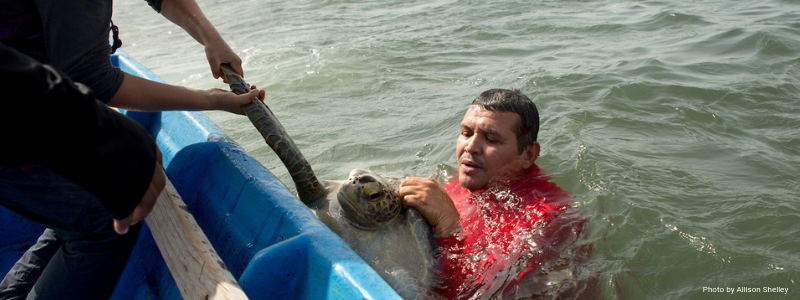
In the Water with Marine Turtles: An Open Invitation
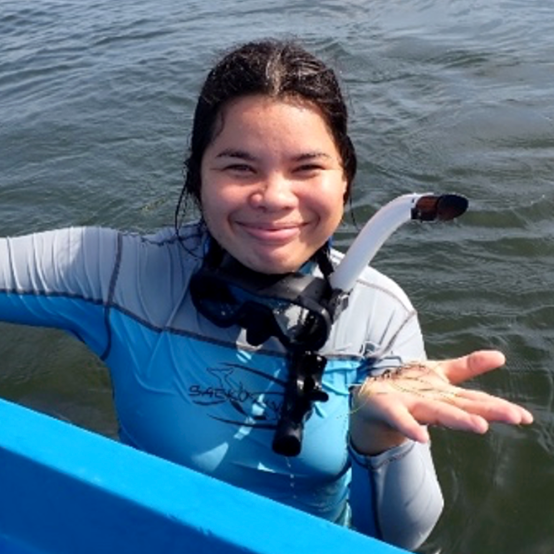
ProCosta conducts in-water monitoring to advance our understanding of marine turtles and their conservation needs, but it’s not only team members diving in. A conservation tourism program invites everyone to experience this exciting work and unique ecosystem....
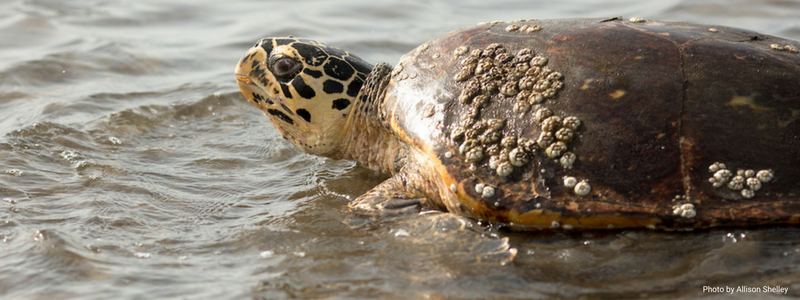
The Love and Labor of Hawksbill Turtle Conservation
High tide, low tide, day or night, ProCosta works relentlessly to protect hawksbill turtles alongside local fishing communities in El Salvador. The country hosts approximately 45% of all hawksbill nesting activity in the eastern Pacific region. Independent...
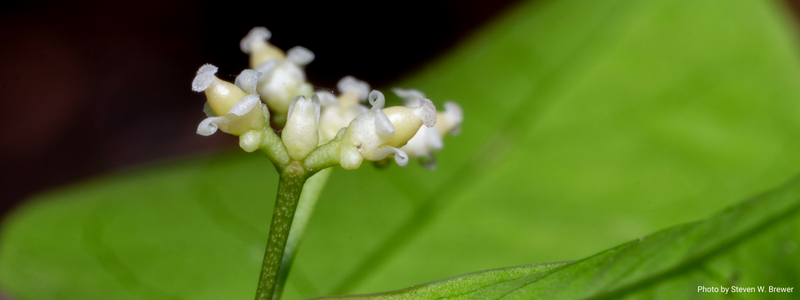
Gyminda tonduzii: A Story of Tree Discovery in Belize
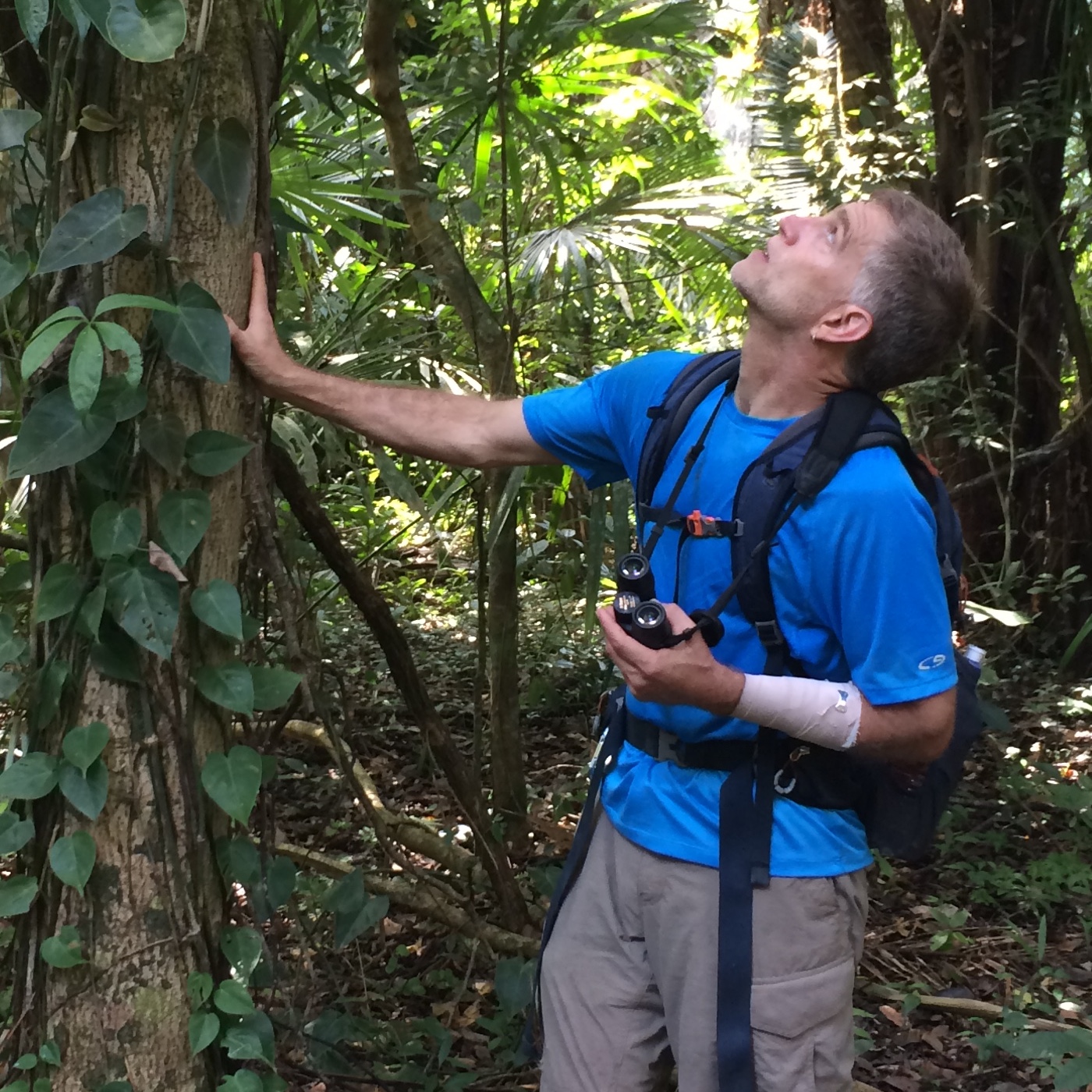
Some tree discoveries happen because of the curiosity and astute observations of nonbotanists. In 2015, at Las Cuevas Research Station in the Chiquibul forest of Belize, an unusual trapdoor spider was discovered by arachnologist Dr. Aimée K. Thomas, of Loyola...
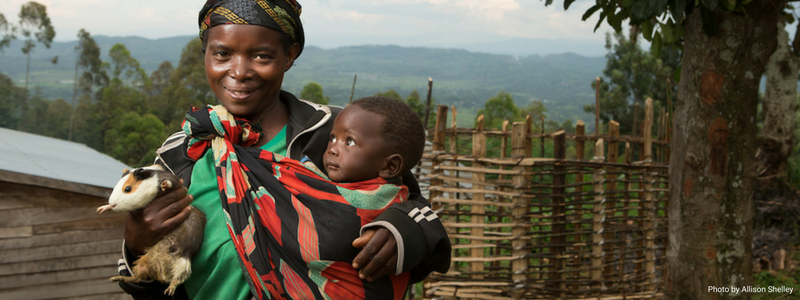
Protecting Grauer’s Gorillas, Collaborating with Pygmy Communities
A young mother able to feed her children and pay their school fees. A father able to avoid unnecessary risk for himself and his children. A community able to protect their natural heritage and work with dignity. These are the benefits of our community-based approach...
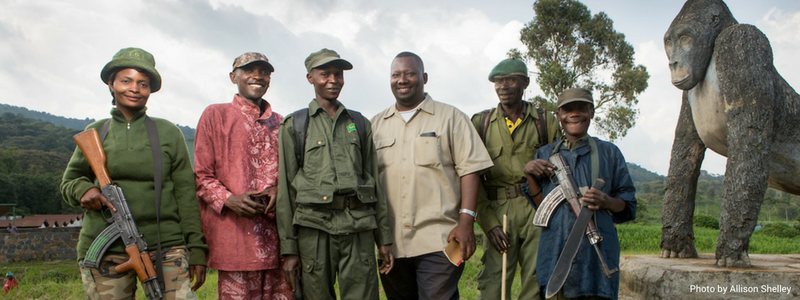
Primate Expertise: Fostering the Next Generation of Primatologists
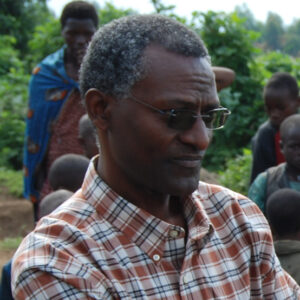
If you follow Wild Earth Allies regularly, then you have probably heard us talk about our Congolese partner Primate Expertise (PEx), led by founder and executive director Dr. Augustin Basabose, many times. This partnership is essential to our great ape conservation....

Nesting Season for Hawksbill Turtles
I am not convinced our partners at ProCosta sleep during the hawksbill turtles nesting season in El Salvador’s Bahía de Jiquilisco (or Jiquilisco Bay). And this season has been one for the record books. The team has been welcoming between two and five females to nest...
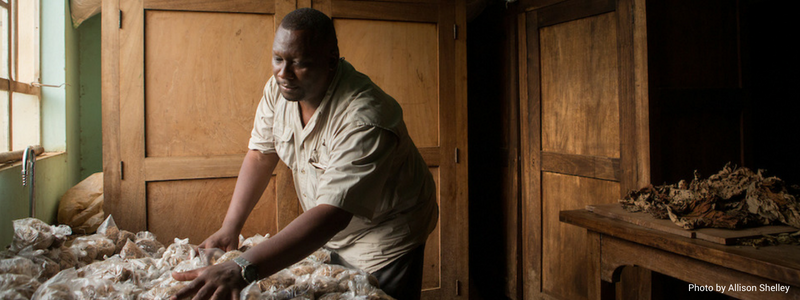
Germinating Seeds for Reforestation
A Diverse Landscape Under Threat Kahuzi-Biega National Park is home to exceptional biodiversity that makes it one of the most important sites in the Albertine Rift, which itself is one of the richest ecologically diverse regions in Africa. At 6,000 km2, Kahuzi-Biega...
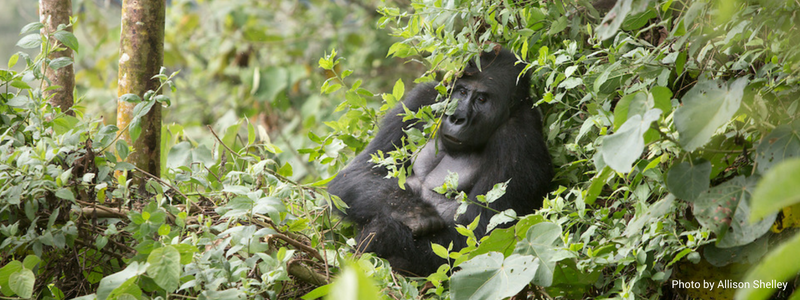
Learning about Grauer’s Gorillas
Less is known about Grauer’s gorillas compared to mountain gorillas, whose population has doubled over the past three decades through collaborative conservation efforts of governments, local communities and international conservation partners, including Wild Earth...

Igniting Change for Asian Elephants in Cambodia
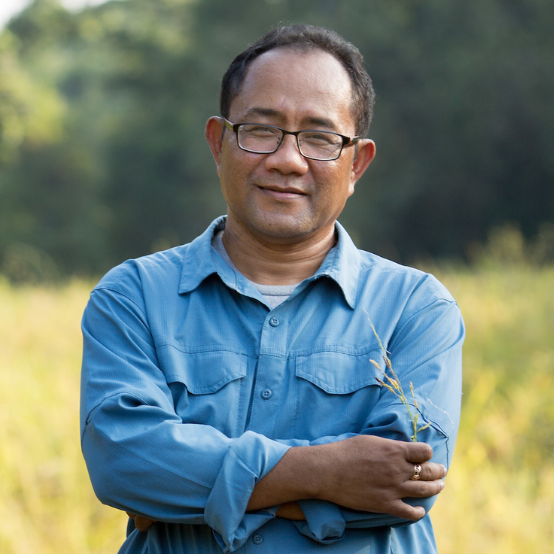
An interview with Cambodia Program Director Tuy Sereivathana (Vathana) Vathana recently came to Washington, D.C. to attend the National Geographic Explorer's Festival. He is a recipient of the 2010 Goldman Environmental Prize and was named a 2011 National Geographic...