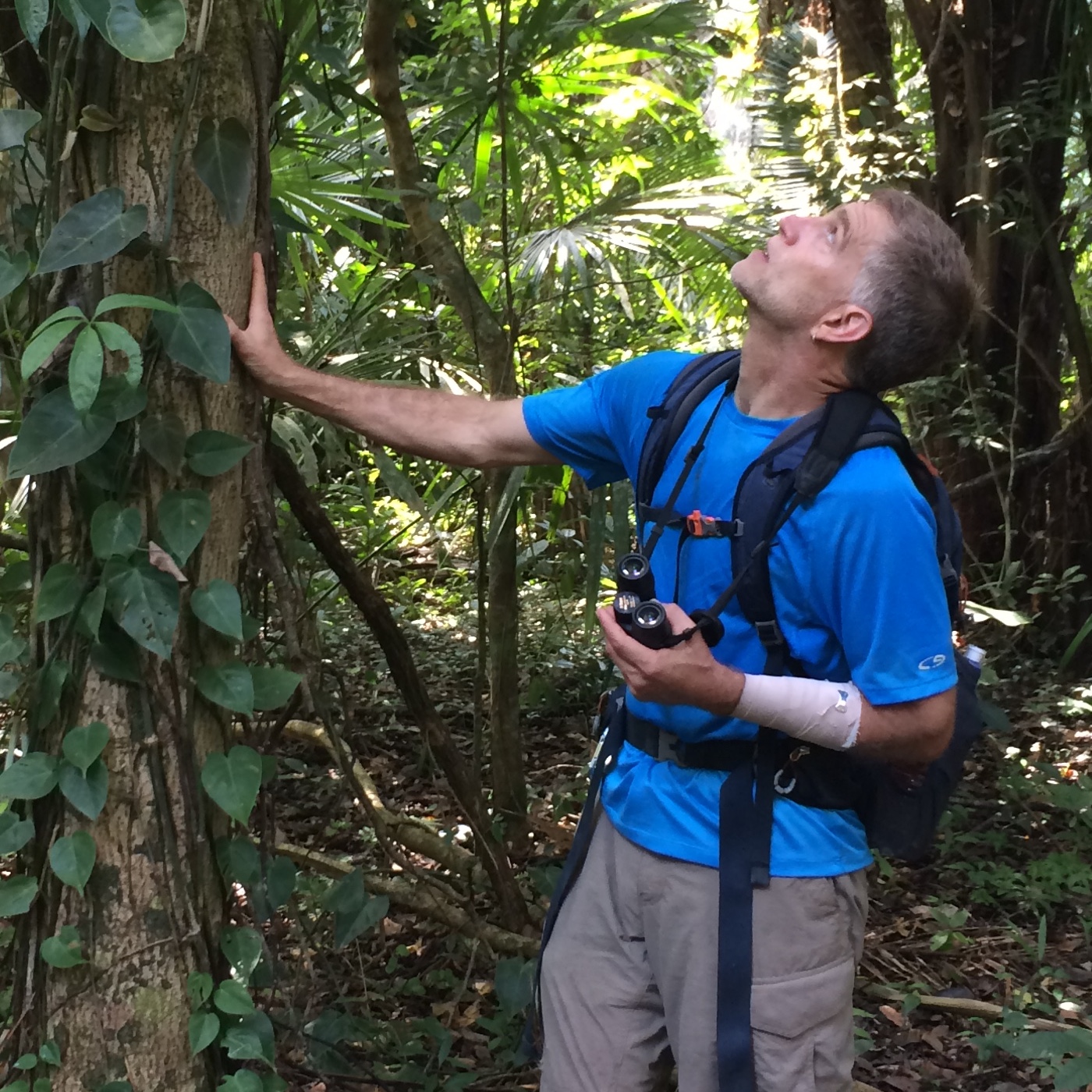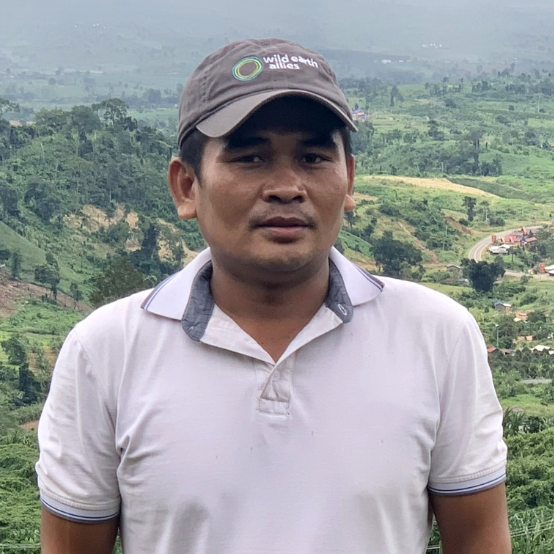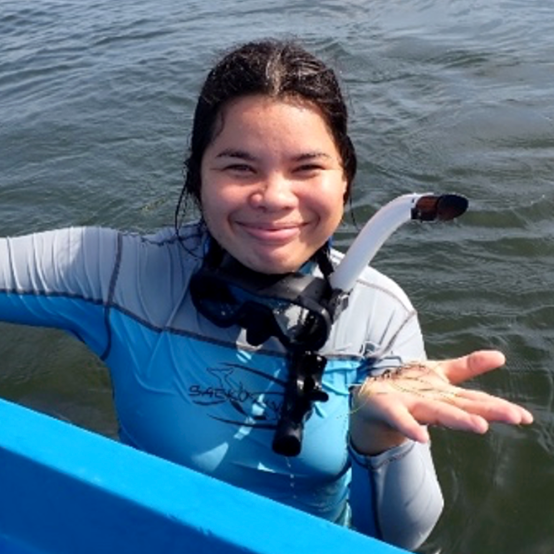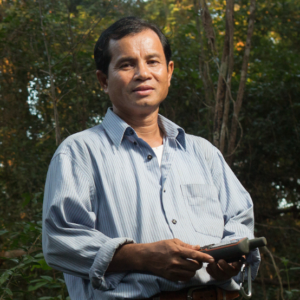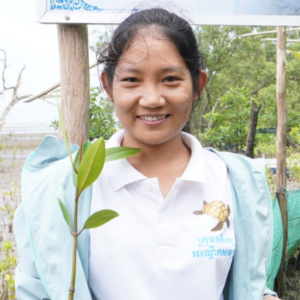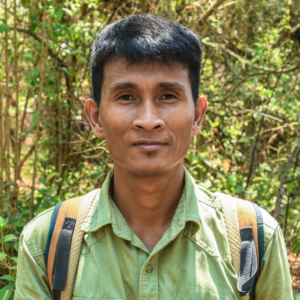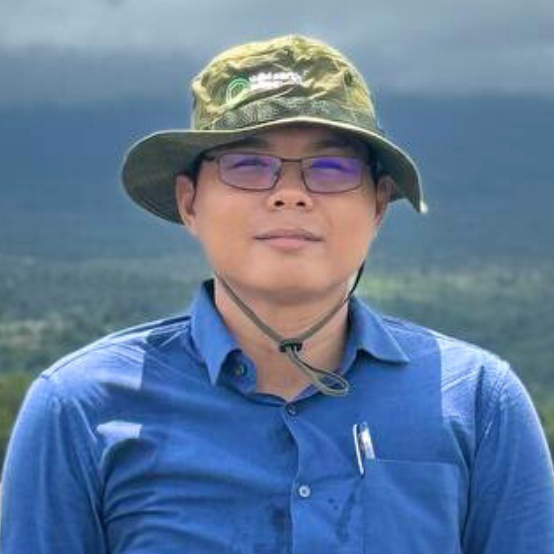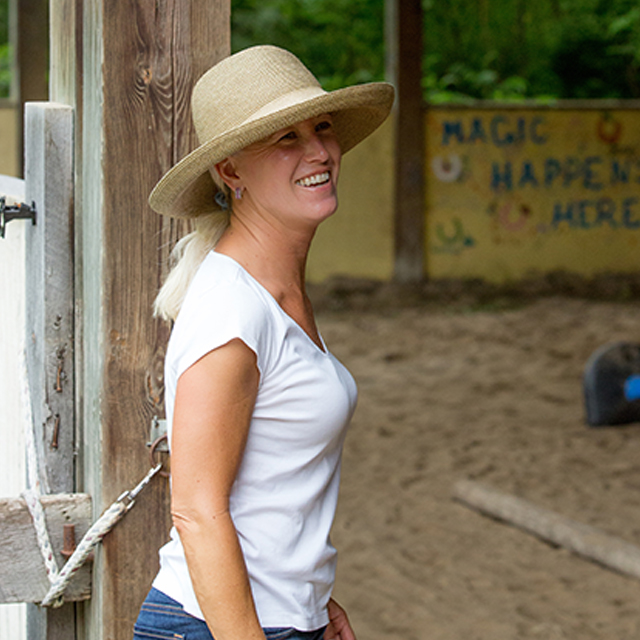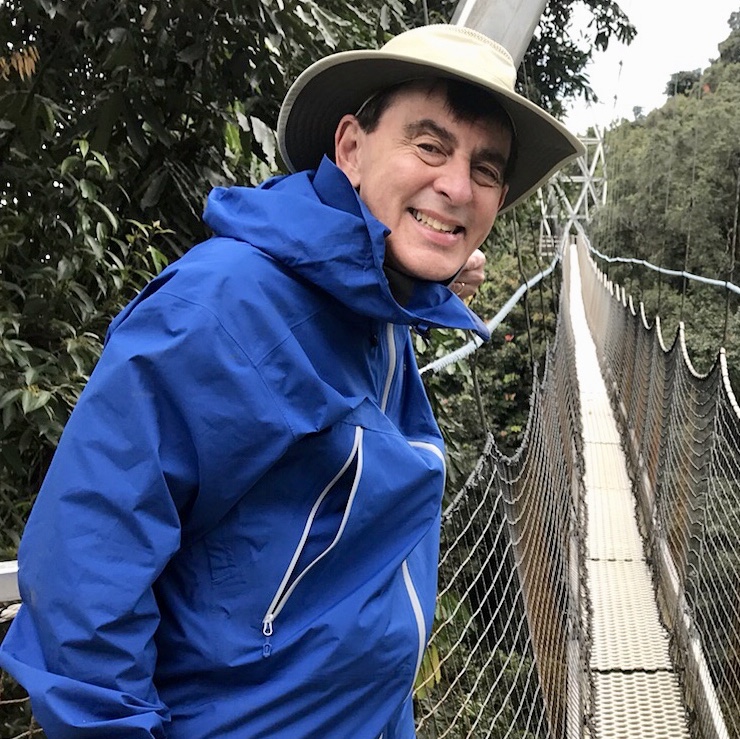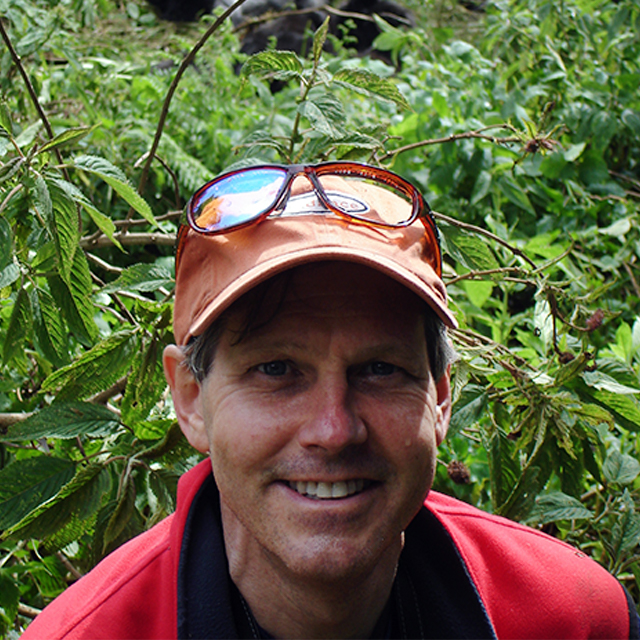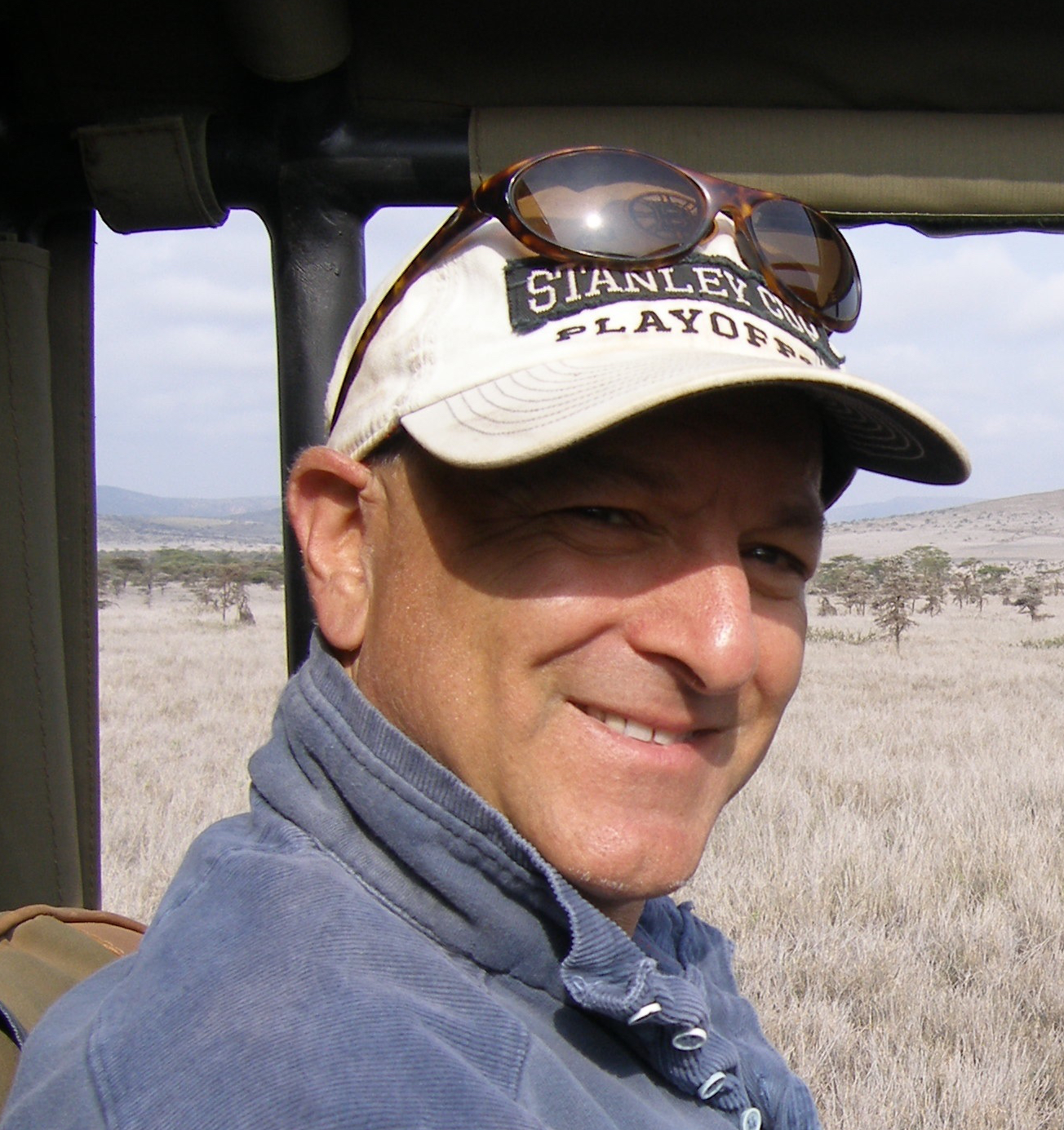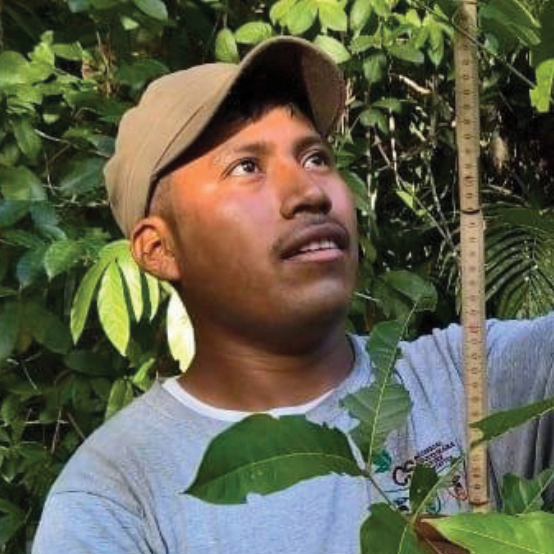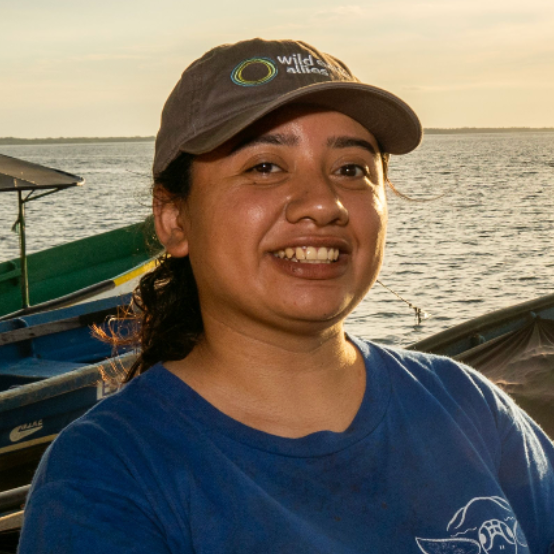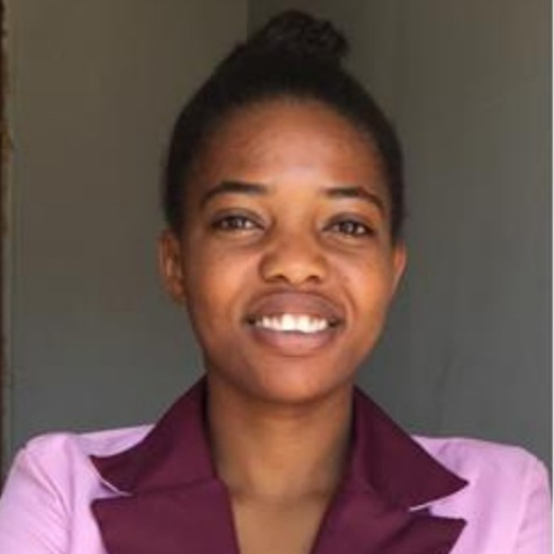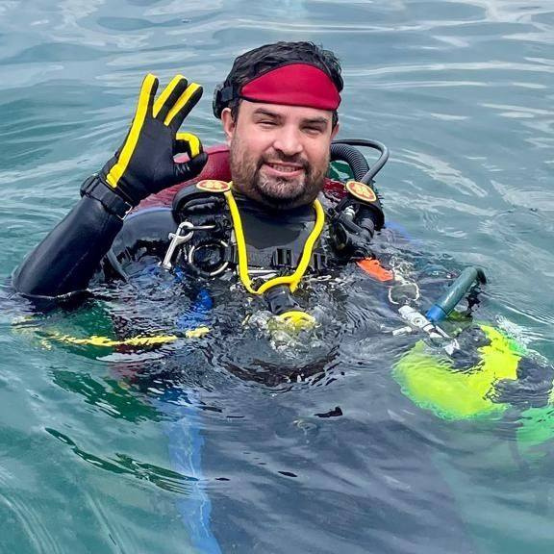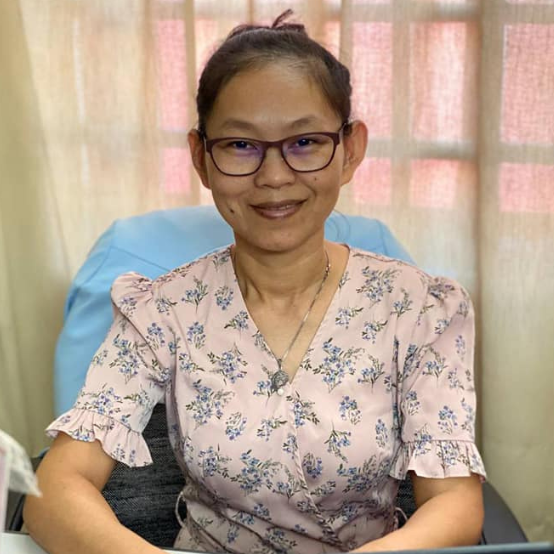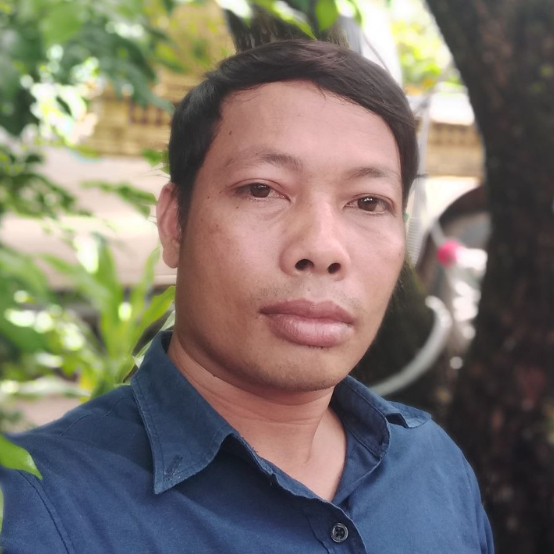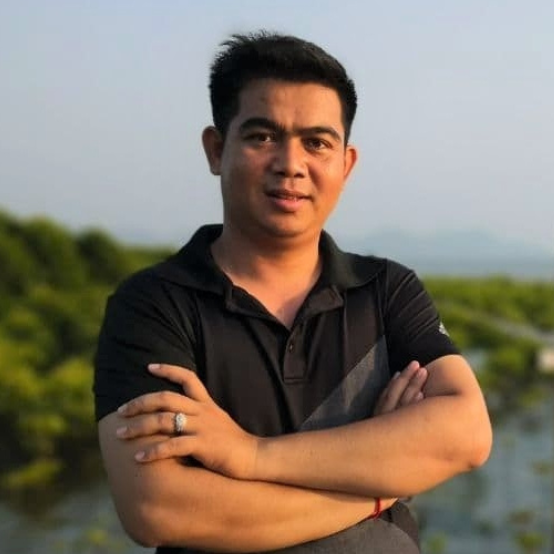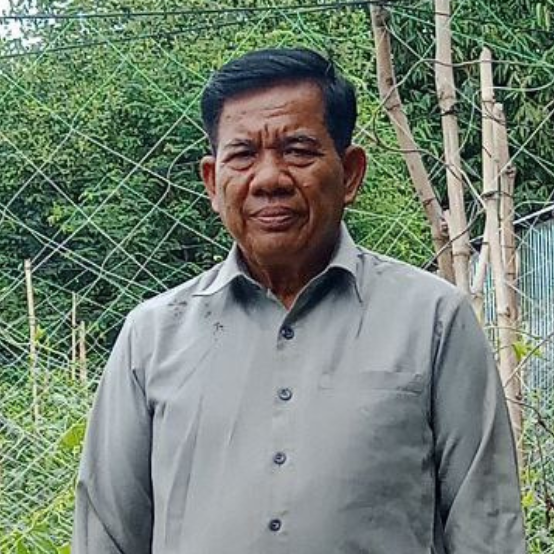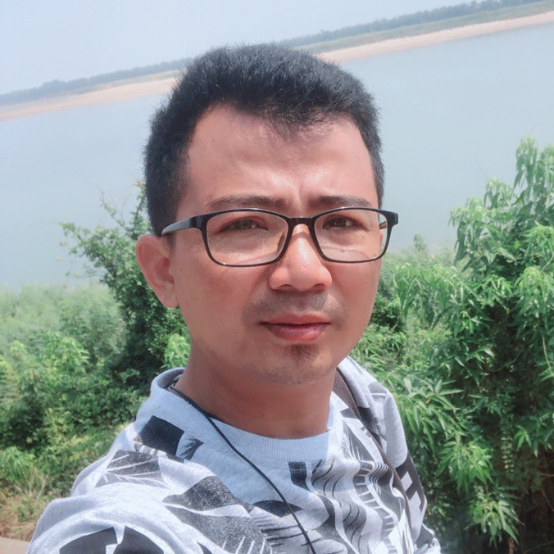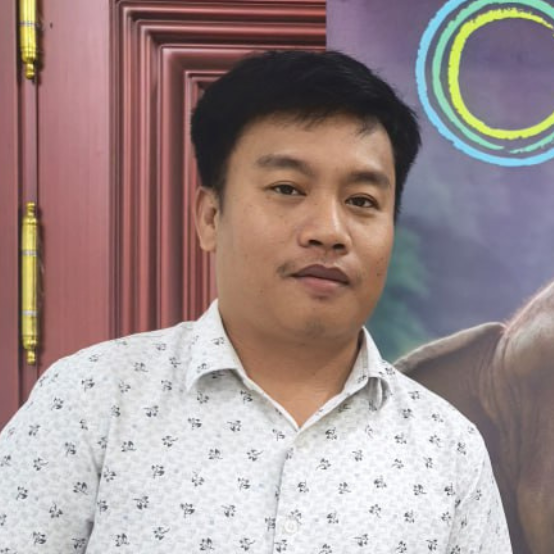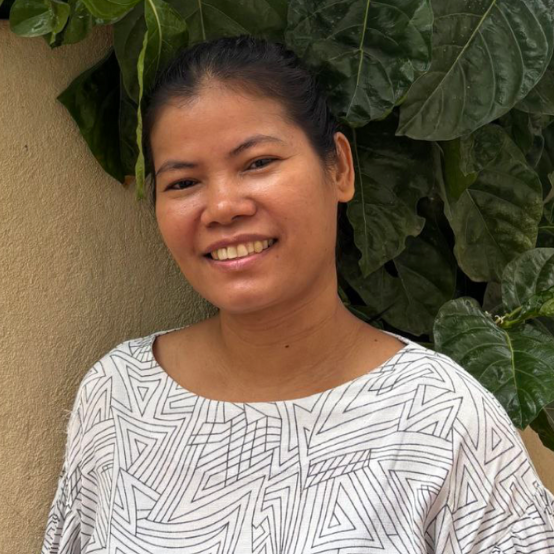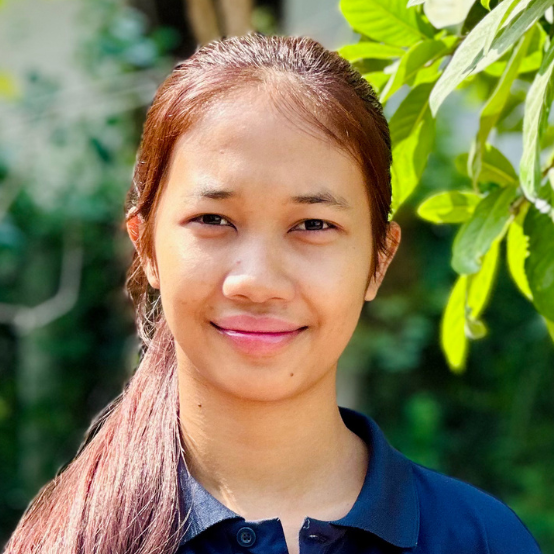
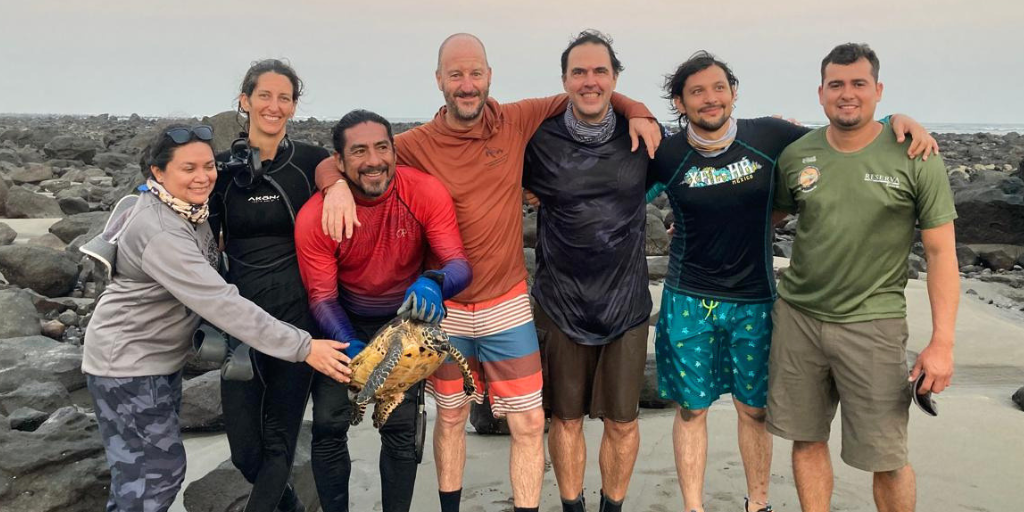
Team members from ProCosta, Equilibrio Azul, and Wild Earth Allies celebrate after tagging a juvenile hawksbill turtle in Punta Amapala.
Why El Salvador Matters for Hawksbills
El Salvador is home to some of the largest remaining nesting populations of Critically Endangered Eastern Pacific hawksbill turtles. Wild Earth Allies has partnered with the leading Salvadoran NGO ProCosta for nearly a decade, providing resources, strategic guidance, and connections that help their community-centered hawksbill conservation efforts scale and endure.
One focus of our partnership is Punta Amapala, where understudied reef habitats offer opportunities to expand hawksbill research and conservation. While ProCosta has significant experience monitoring hawksbills close to shore, capturing the turtles in open-water environments requires different techniques.
Sharing Expertise Across Borders
Wild Earth Allies saw an opportunity to connect ProCosta with Equilibrio Azul, a marine conservation organization in Ecuador with deep expertise in open-water monitoring. This spring, we brought the teams together in El Salvador for a hands-on learning exchange with local oyster harvesters. Together, we piloted in-water monitoring techniques that combined Ecuadorian expertise with community knowledge of local waters.
“Local conservation organizations collectively hold a vast wealth of knowledge, built through long-term engagement in the places they work and the integration of local expertise and experience.”
— José Urteaga, Director of Marine Partnerships, Wild Earth Allies
The collaboration quickly produced an exciting result. For the first time in Punta Amapala, the teams successfully captured and tagged two juvenile hawksbill turtles. The experience also generated practical lessons about when, where, and how this type of monitoring can be conducted safely and effectively.

One of two juvenile hawksbill turtles tagged during the learning exchange.
“Local conservation organizations collectively hold a vast wealth of knowledge, built through long-term engagement in the places they work and the integration of local expertise and experience. Creating opportunities for exchange and learning across these organizations can improve practices, spark new ideas, strengthen a sense of collective identity and purpose, and ultimately accelerate conservation impact.” said José Urteaga, Wild Earth Allies Director of Marine Partnerships, who facilitated the exchange.
ProCosta and Equilibrio Azul continue to share technical protocols and explore opportunities for future collaboration. By connecting scientific expertise, local knowledge, and experience across borders, we can build a stronger foundation for long-term hawksbill research and conservation in the Eastern Pacific.

Team members from ProCosta and Equilibrio Azul discuss open-water monitoring techniques.